

June is the sixth month in the Gregorian calendar, which is the calendar most in use throughout the world. This June, the Daily Classical Music Post will explore chamber music, choral music, and operatic sextets from the Renaissance to the 21st century.
Sextet in E-Flat Major, B. 283: I. Allegro con brio
The Austrian Classical composer Ignaz Pleyel (1757–1831) was extremely prolific: he composed over 40 symphonies, 70 string quartets, operas, and a lot of chamber music. Some scholars believe that Pleyel was the actual composer of the theme that Johannes Brahms used for his Variations on a Theme by Haydn, not Joseph Haydn. Pleyel was one of Haydn’s students, so that could perhaps account for the confusion. But it also could be that although Pleyel was one of the most famous composers in his lifetime, he fell into obscurity not long after his death.
However, while he was still alive, François-Joseph Fétis wrote, “What composer ever created more of a craze than Pleyel? Who enjoyed a more universal reputation or a more absolute domination of the field of instrumental music? Over more than twenty years, there was no amateur or professional musician who did not delight in his genius.” To say that Pleyel was famous worldwide is not an exaggeration: he was even known in the United States of America, particularly his hymn tunes, which were used in shape-note books (see this DCMP from 2024 on Pleyel and shape-note music: https://dailyclassicalmusicpost.com/2024/02/05/the-sacred-harp-pleyels-hymn-first/).
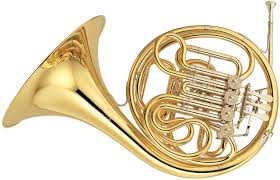
Pleyel composed his Sextet in E-flat Major, B. 283, for two clarinets, two bassoons, and two horns, in 1780. The work is in four movements: I. Allegro con brio; II. Romance [moderato]; III. Menuetto; and IV. Rondo: Allegro. He later arranged this piece for string quintet.
The Sextet opens with a lively melodic movement in sonata-allegro form, very characteristic of the Viennese Classical style. The horn parts in particular are very difficult and intricate, which is quite typical of Pleyel’s writing: you can hear this within the first minute of the first movement. The texture is quite complex throughout and the interplay among the instruments is playful and energetic. The music is accessible, symmetric, and enjoyable throughout.
James Manheim wrote, “Pleyel was clearly in his element here, and there isn’t a weak moment in the music. Put it on for friends who love the sound of Viennese Classicism and watch them try to guess who could have written this thoroughly enjoyable stuff. ”
My classical music post for today is Ignaz Pleyel: Sextet in E-flat Major, B. 283: I. Allegro con brio.


Leave a Reply