

Throughout human history, technological developments have transformed the ways we live, work, communicate, and create. This November, the Daily Classical Music Post will explore compositions inspired by or made possible through many of these innovations and inventions, discovering how the changing world has shaped the music we make and hear.
The Finnish composer Ville Aslak Raasakka (born 1977) has developed a fascinating approach to musical composition, using sounds from the natural world and industrial environments as the starting point for his work. His compositions explore everything from coal mines and oil rigs to insects, trees, and the everyday objects we use without giving much thought to their origins. Rather than simply imitating these sounds, he makes field recordings, analyses their acoustic characteristics, and transforms them into musical material. His Coal Plant, composed in 2016, is an especially interesting example of how contemporary composers are using technology to examine our relationship with the environment.
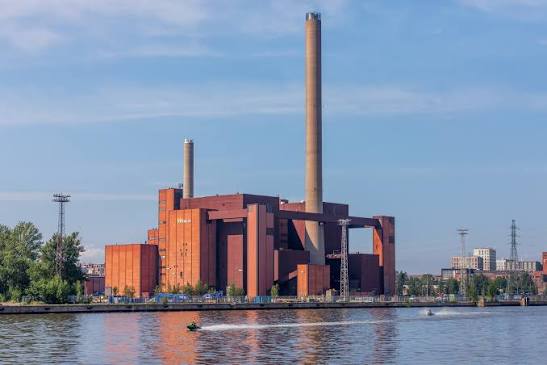
The inspiration came from the Hanasaari coal-fired power station in Helsinki, a facility that supplied electricity and district heating to the Finnish capital. Raasakka visited the plant and recorded the sounds of its industrial processes, capturing an acoustic world normally inaccessible to the public. A power station is filled with an extraordinary variety of noises: the rumbling and vibration of machinery, the movement of materials, the hissing of steam, and the continuous hum of equipment operating on an enormous scale. Raasakka recognised that these sounds could provide the foundation for a composition, while also drawing attention to the environmental consequences of generating energy from fossil fuels.
Written for flute, clarinet, cello, and electronics, Coal Plant brings together conventional instruments and recorded industrial sounds. The instrumental writing explores unusual textures and extended techniques, allowing the musicians to evoke the grinding, humming, and sometimes barely audible sounds of the machinery. The electronics introduce another dimension, creating an acoustic environment in which the boundaries between musical instruments and industrial equipment become increasingly difficult to distinguish. Rather than presenting a conventional melody accompanied by mechanical effects, Raasakka invites us to listen to the power station itself as a source of musical possibilities.
There’s an interesting historical contrast here. In 1926, Alexander Mosolov composed Iron Foundry, celebrating the energy and power of industrial machinery during the early years of Soviet industrialisation. Ninety years later, Raasakka approaches a similar sound world from a very different perspective. By 2016, the environmental consequences of industrialisation, particularly the burning of fossil fuels and its contribution to climate change, had become central concerns in public and political debate. Raasakka’s music reflects that changing relationship with technology: machines are no longer simply symbols of progress, but instead are part of a complicated relationship between human activity and the natural world.
The Hanasaari power station eventually closed in April 2023, as Helsinki moved away from coal-fired energy production. This gives Raasakka’s composition an additional historical significance. The sounds he recorded document an industrial environment that has since fallen silent. In 2024, Coal Plant was included on his album Coal, Wood, Oil, a collection of works exploring the extraction and consumption of natural resources and their effects on the environment. His music asks us to reconsider sounds that we usually ignore, revealing both their unexpected musical qualities and the human activities responsible for producing them.
My classical music post for today is Ville Aslak Raasakka: Coal Plant.


Leave a Reply