

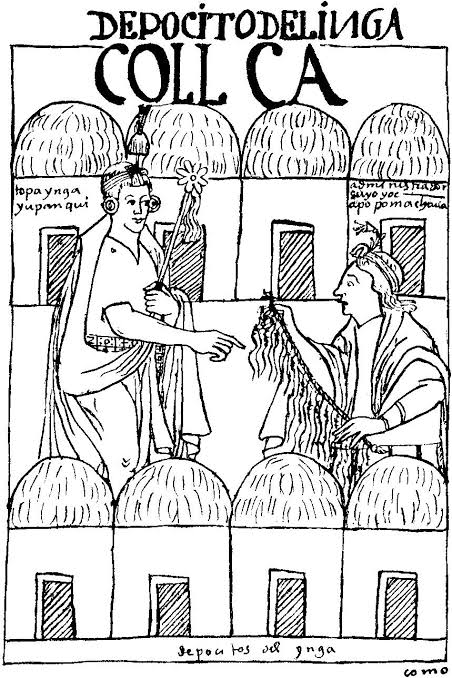
For millennia, the rhythms of planting and harvest have shaped human life, marking seasons of labour, renewal, abundance, and gratitude. This October, the Daily Classical Music Post will journey across eras and continents, celebrating harvest in the Northern Hemisphere and planting in the Southern through music inspired by the Earth and its changing seasons.
Eduardo ALONSO-CRESPO: Pachamama (Coro Ars Nova – Beatriz Fernández de Briones, directora)
Eduardo Alonso-Crespo (born 1956) was born in San Miguel de Tucumán and raised in Salta in northwestern Argentina. He is a composer and conductor. Pachamama was written in 1998–1999. The original version for children’s (or female) choir was premiered by the Ars Nova Children and Youth Choir, conducted by Ana Beatriz Fernández de Briones, at the World Symposium on Choral Music in Rotterdam in 1999. Alonso-Crespo later created a version for mixed choir and another version adding a string orchestra.
Pachamama means “Mother Earth” in Quechua. The text is Canto al Sol by the Argentine poet Martín Alemán, and Alonso-Crespo describes the work as an “ecological reflection.” The poem begins with an idyllic natural landscape: wind, river, and light exist peacefully together, while an Indigenous musician expresses himself through the quena, the traditional Andean flute. Human greed and exploitation disturb that harmony, but the poem repeatedly returns to the permanence of Pachamama—nature enduring beyond human attempts to exploit or destroy it.
The version I am sharing today is the a cappella one, making the choir itself responsible for creating that landscape. It begins quietly, with sustained notes and overlapping vocal lines establishing an atmosphere of stillness. Gradually the music becomes more animated: rhythms sharpen, phrases become shorter and more insistent, and the voices move between smooth, blended chords and more strongly accented passages. Particularly effective is Alonso-Crespo’s use of repetition. Words, rhythms, and musical gestures return over and over, reflecting the poem’s assertion that Pachamama remains. The increasing rhythmic energy gives the central conflict real urgency before the music ultimately reasserts the larger presence of the natural world.
Pachamama is not specifically about planting or harvesting, but it is connected to both in a fundamental way. Agriculture depends upon the relationship between people and the Earth, and in this piece Alonso-Crespo asks the listener to consider what happens when that relationship becomes exploitative rather than collaborative. People may plant the seeds, tend the crops, and gather the harvest, but none of it is possible without the Earth that sustains it.
My classical music post for today is Eduardo Alonso-Crespo: Pachamama.


Leave a Reply