

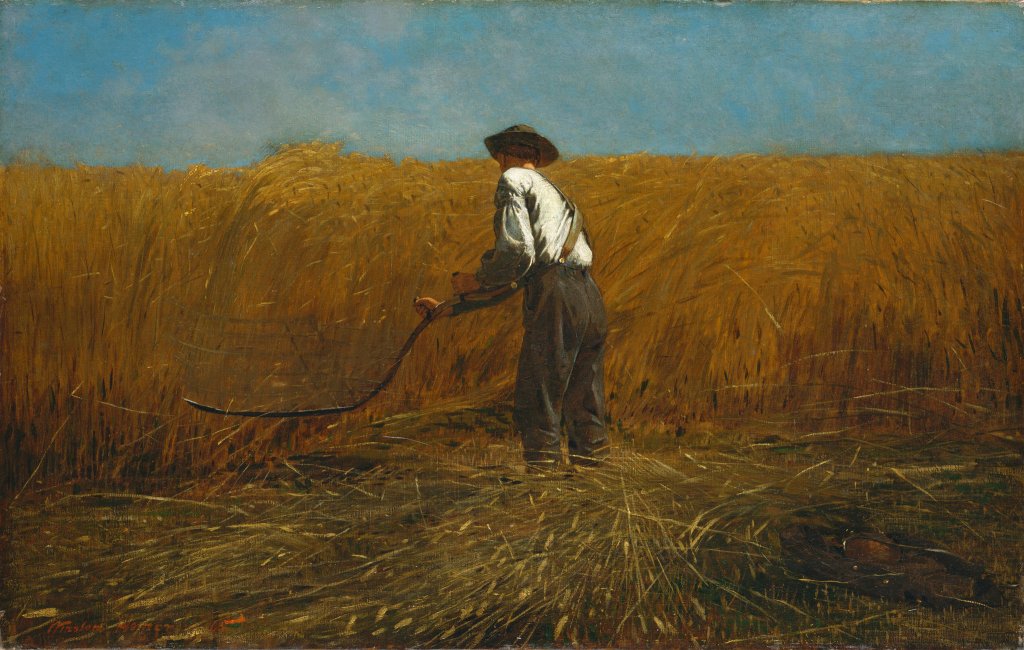
For millennia, the rhythms of planting and harvest have shaped human life, marking seasons of labour, renewal, abundance, and gratitude. This October, the Daily Classical Music Post will journey across eras and continents, celebrating harvest in the Northern Hemisphere and planting in the Southern through music inspired by the Earth and its changing seasons.
The Seasons, Op. 37a, TH 135: VIII. August. The Harvest
Pyotr Ilyich Tchaikovsky (1840–1893) was already an established composer when he wrote The Seasons, Op. 37a in 1875–1876. Nikolay Bernard, editor of the St. Petersburg music magazine Nouvellist, commissioned him to write 12 pieces, which were published individually in the magazine throughout 1876. Each was given a title suggesting a scene or activity associated with its month, from January: At the Fireside and May: White Nights to November: Troika and December: Christmas. Bernard also supplied each piece with an accompanying poetic epigraph.
For August, the Russian title is Жатва (Zhatva)—“The Harvest.” Its epigraph comes from a poem by Aleksey Koltsov and describes the harvesters working together in the fields: people moving in groups, cutting the tall rye down to its roots, building haystacks, and the poem also describes the carts creaking through the night as they carry the harvest home. It is a scene of strenuous communal labour rather than a peaceful contemplation of golden fields.
Tchaikovsky’s music reflects that activity. Marked Allegro vivace, the piece begins with an energetic, strongly accented theme with repeated chords and rushing figures that immediately create a feeling of physical movement. There is something almost breathless about it: the music seems constantly to push forwards, suggesting the urgency of gathering the crop while conditions are favourable. A contrasting middle section, marked Dolce cantabile, suddenly brings a gentler singing melody and a temporary respite from all of the frenetic activity. But the rest doesn’t last. The energetic opening material returns, and the piece races towards a vigorous conclusion.
Tchaikovsky catches the workers before the party starts. The rye is still being cut, the carts are still being loaded, and the harvesters have work to finish before anyone can celebrate. There will be time to celebrate later.
August was traditionally one of the principal harvest months in Russia, where the long winter and relatively short growing season compressed much of the agricultural year into the summer months. The previous piece in The Seasons is VII. July: The Reaper’s Song, so the two months together trace the progression from cutting the grain to bringing in the harvest.
My classical music post for today is Pyotr Ilyich Tchaikovsky: The Seasons, Op. 37a: VIII. August: The Harvest.


Leave a Reply