

For millennia, the rhythms of planting and harvest have shaped human life, marking seasons of labour, renewal, abundance, and gratitude. This October, the Daily Classical Music Post will journey across eras and continents, celebrating harvest in the Northern Hemisphere and planting in the Southern through music inspired by the Earth and its changing seasons.
Songs of Sundrie Natures: No. 41, Who Made Thee, Hob, Forsake the Plough?
William Byrd (c. 1540–1623) was one of the greatest composers of the English Renaissance. A Gentleman of the Chapel Royal under Elizabeth I, he composed both sacred and secular music, including Latin motets and Masses, Anglican church music, keyboard works, consort music, and English songs. Byrd himself remained a Catholic in Protestant England, making the sacred side of his career particularly fascinating, but he was also capable of considerable wit and lightness. “Who Made Thee, Hob, Forsake the Plough?” comes from his 1589 collection Songs of Sundrie Natures, whose very title advertises its variety: music of different characters, both serious and merry.
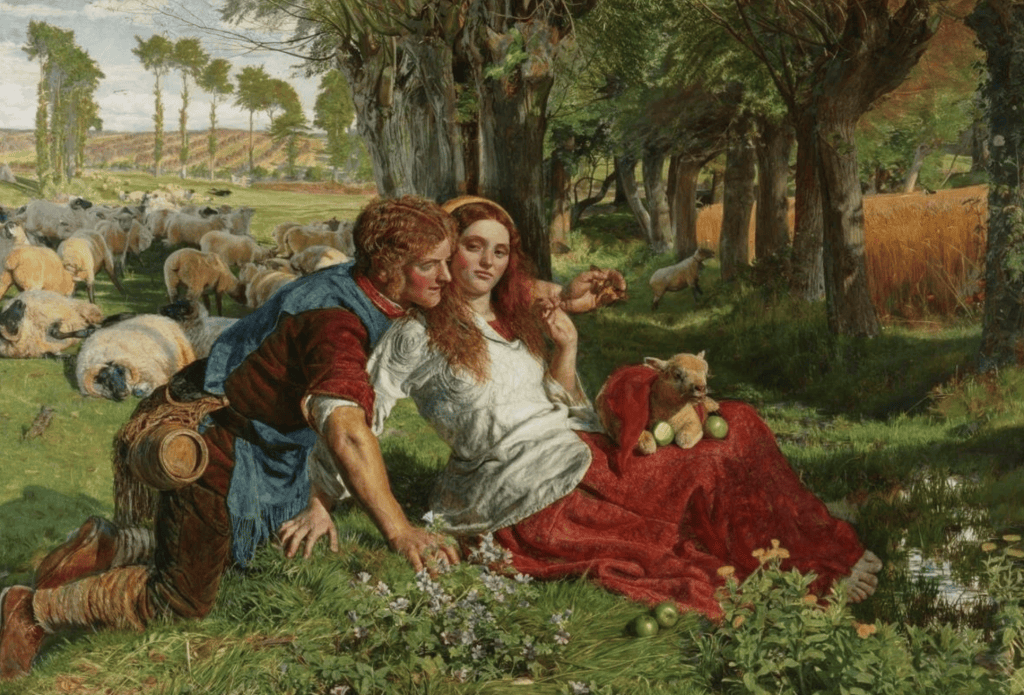
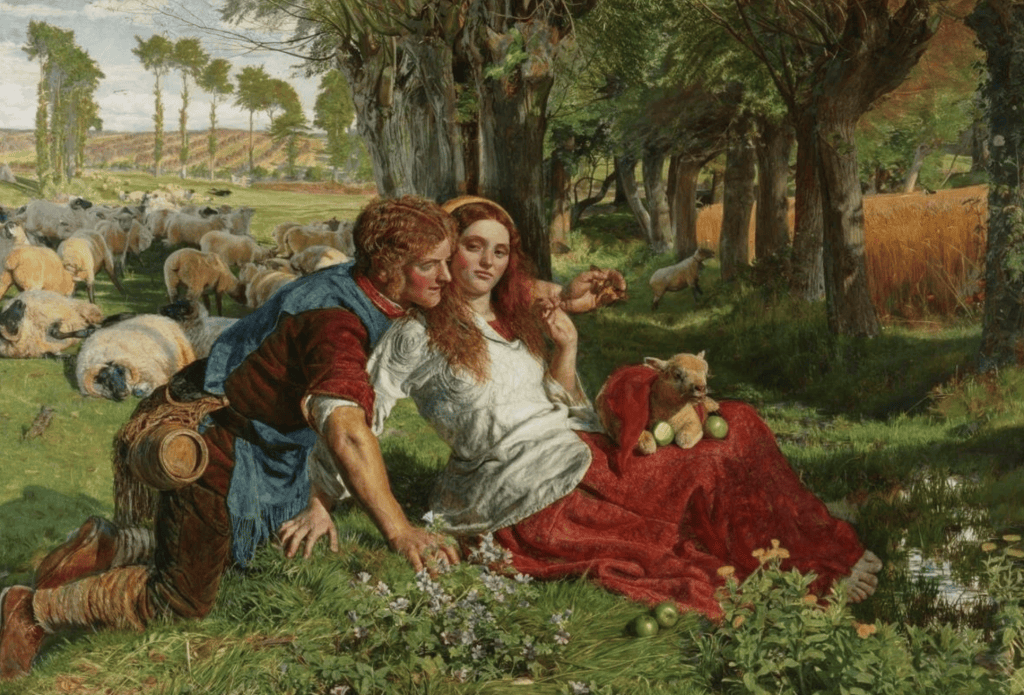
The song begins with what sounds like a perfectly reasonable agricultural question: why has Hob abandoned his plough? The answer, however, has nothing to do with farming. Hob has fallen in love. The anonymous text takes the form of a dialogue between two shepherds. Byrd turns this little pastoral conversation into music for two voices accompanied by four viols. It is a good example of the pastoral tradition that flourished in Renaissance poetry and music, in which shepherds and shepherdesses inhabit an idealized countryside and spend a surprising amount of their time falling in love rather than attending to their livestock or crops. The sophisticated courtly music and the deliberately rustic characters of “Hob” and his shepherdess make an appealing contrast.
And the name Hob itself helps establish that rustic setting. It was a familiar form of Robert and was commonly associated in early English writing with an ordinary countryman or rustic. The question “Who made thee, Hob, forsake the plough?” therefore immediately introduces a recognizable rural character: a working man who ought to be out tending the land but has discovered that love is considerably more distracting.
This is actually a cautionary tale: crops do not grow simply because someone has ploughed the field once. Byrd reminds us that a harvest doesn’t just happen: someone has to continue to tend to the fields throughout the growing season. Unfortunately, Hob has put down his plough and wandered off in pursuit of love. We don’t know if the harvest suffered as a consequence, but I’d like to think that Hob’s companion convinced him to get back to work.
My classical music post for today is William Byrd: “Who Made Thee, Hob, Forsake the Plough?”


Leave a Reply