

“If you were a country, what would your national anthem be?”—David Levithan
One of my favourite things about the 2026 FIFA Men’s World Cup was hearing some national anthems that I had never heard before as well as some that I rarely hear. And I wondered: How did each country choose its national anthem? Was it newly composed or taken from something already in existence? This August, the Daily Classical Music Post will explore the anthems of 31 of the 32 teams that made it to the knockout stage.
National Anthem: Egypt – لك حبي وفؤادي
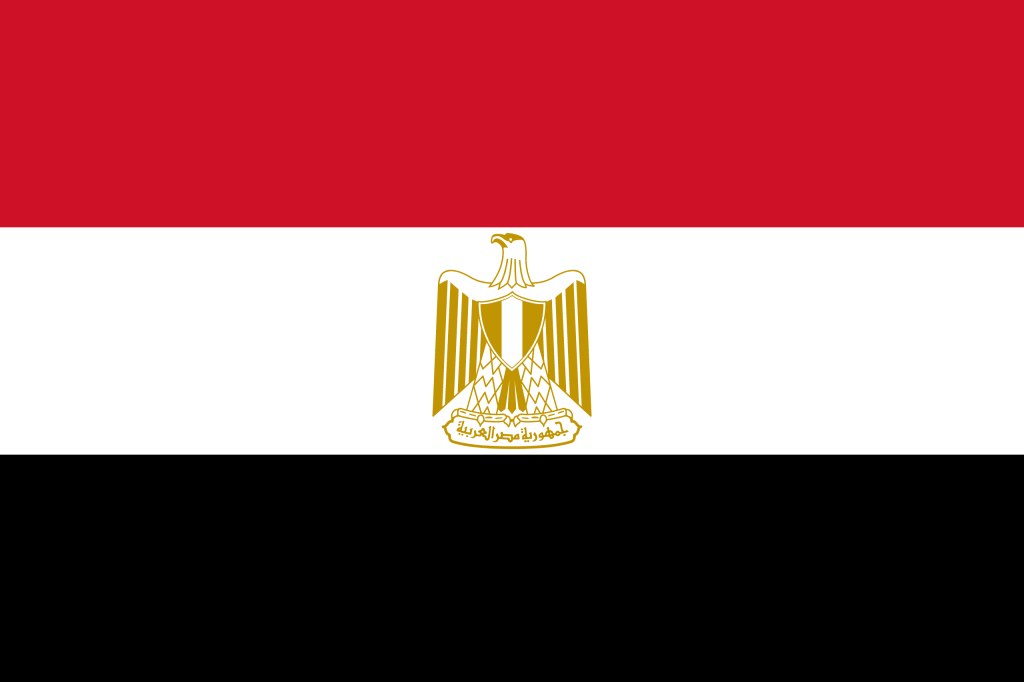
We continue our exploration of the anthems of the countries represented in the 2026 FIFA Men’s World Cup knockout stage (minus the United States of America), in alphabetical order, with Egypt.
In 1979, following the signing of the Camp David Accords, Egyptian president Anwar Sadat wanted to transition Egypt away from the pan-Arab themes of the previous anthem, “Walla Zaman Ya Selahy,” towards an anthem that focused more on Egyptian heritage and patriotism. Sadat personally chose “Bilādī, Bilādī, Bilādī,” a popular song from the 1920s, which he felt was the perfect choice.
The Egyptian singer and composer Sayed Darwish (1892–1923) is considered to be perhaps the greatest Egyptian composer. He revolutionized Egyptian art music by combining classical Arabic musical forms with Western harmony and instrumentation. He composed “Bilādī, Bilādī, Bilādī” as a protest song, adapting an Egyptian folk melody and adding verses written by Mohamed Younis al-Qadi, which had been based on a patriotic nationalist speech by Mustafa Kamil. The song was composed between 1921 and 1923, a time when Darwish was producing a large body of nationalist-themed works. He pioneered a synthesis of maqamat, the Arabic oral musical modal system, and Western choral styles.
Sadat asked the Egyptian composer Mohamed Abdel Wahab (1902–1991) to update Darwish’s song. Wahab may or may not, depending on who you ask, have also composed the national anthems of Libya, Tunisia, Oman, and the United Arab Emirates. Wahab reorchestrated the voice and traditional instrumental piece, arranging it for military brass band and symphony orchestra. Like Darwish, Wahab combined Western European elements with traditional Arabic modes. He also made the song more like a march, making it suitable for state visits, military parades, and international events. But, at its heart, “Bilādī, Bilādī, Bilādī” is still a song of the people, as Darwish intended.
The anthem officially consists of three verses, but only the first verse is usually sung, both preceded and followed by the chorus.
My (somewhat) classical music post for today is Sayed Darwish: “Bilādī, Bilādī, Bilādī.”


Leave a Reply