

Classical music composition often runs in the family. This July, the Daily Classical Music Post will celebrate some of the well-known and not-so-well-known members of these composing families.
D.Puccini, IL CIARLATANO ‘Overture & Opening Aria’ Nicola Rossi-Lemani
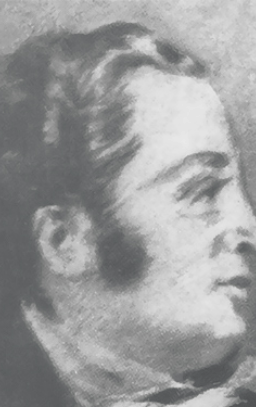
The Italian Classical composer Domenico Puccini (1772–1815) shattered the family tradition by looking beyond the church walls and steering the dynasty toward secular, theatrical opera. Unlike his father and grandfather, Domenico chose to study music in Bologna and Naples rather than in Lucca, and this move exposed him to late-18th-century comic operas by Giovanni Paisiello and Domenico Cimarosa. In Naples, Domenico studied with Paisiello as well as with Stanislao Mattei, a friar who also was a noted composer, musicologist, and music teacher. Mattei taught composers to mix bright, rhythmic Neapolitan stage melodies with strict, sophisticated orchestral counterpoint commonly employed in Northern Italy.
Domenico composed several operas, the most famous of which was his one-act opera buffa Il Ciarlatano (The Charlatan), composed in 1815 to a libretto by Luigi Buonavoglia. There is much in this opera that anticipated the style of later opera composers including Gaetano Donizetti, particularly in Domenico’s comedic pacing and melodic charm. Domenico also emulated Cimarosa’s use of the woodwinds in the orchestra by making them into active comedic characters, creating a sort of musical “laugh track.” You can hear this in the opening aria of the opera, when Astroloblo (the charlatan) sings about the miraculous virtues and cheap price of his bottled healing balsam, entreating the people of the town to buy it.
Cimarosa developed the multi-character parlando (patter speech) ensemble final, in which several characters all sing (or shout) over one another while the orchestra plows along in a highly rhythmic way. Domenico used this technique to create realistic group arguments in his operas. Domenico also used Cimarosa’s technique of the orchestral crescendo to drive the narrative tension, creating a crescendo of absurdity, that is, to represent a situation that is rapidly spinning out of control.
Domenico’s operas were a very important stage in the transition of the Puccini family from rigid church music composers into masters of theatrical pacing and modern musical comedy and drama. Sadly, Domenico died suddenly at the age of 43; there were rumours that he had been poisoned, as he was known for being a liberal sympathizer, but it’s more likely that he died from typhus.
My classical music post for today is Domenico Puccini: Il Ciarlatano: Overture and Opening Aria / Entrance Cavatina.


Leave a Reply