

There are two categories of classical music that use visual art as the subject of the composition. “Inspired-by” music takes a work of art as a notional starting point, whereas “ekphrastic” music aims to comment on or illuminate the visual artwork. This November, the Daily Classical Music Post will explore music based on visual art from the Renaissance to the 21st century.
Vaughan Williams – Job – BBC SO / Boult
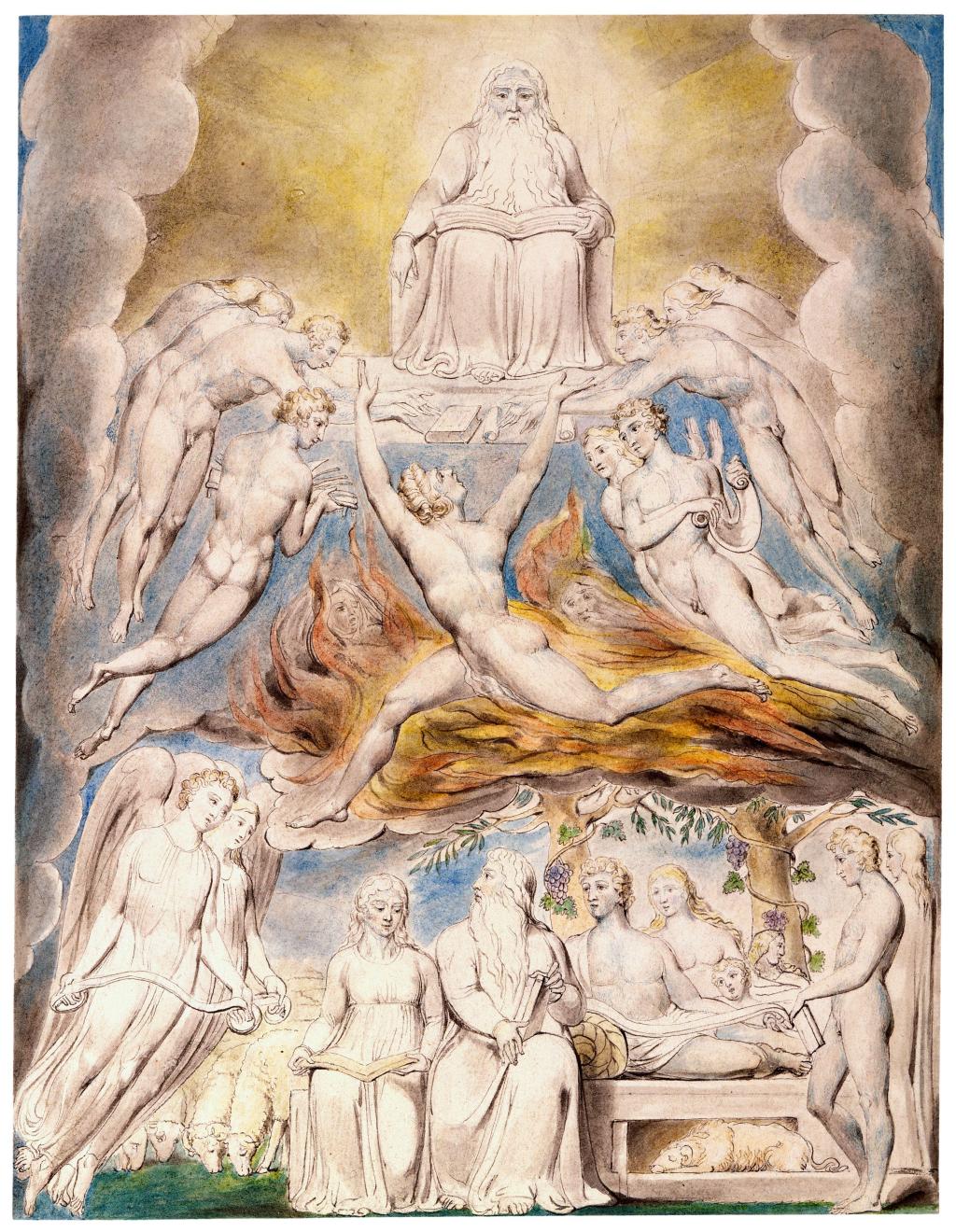
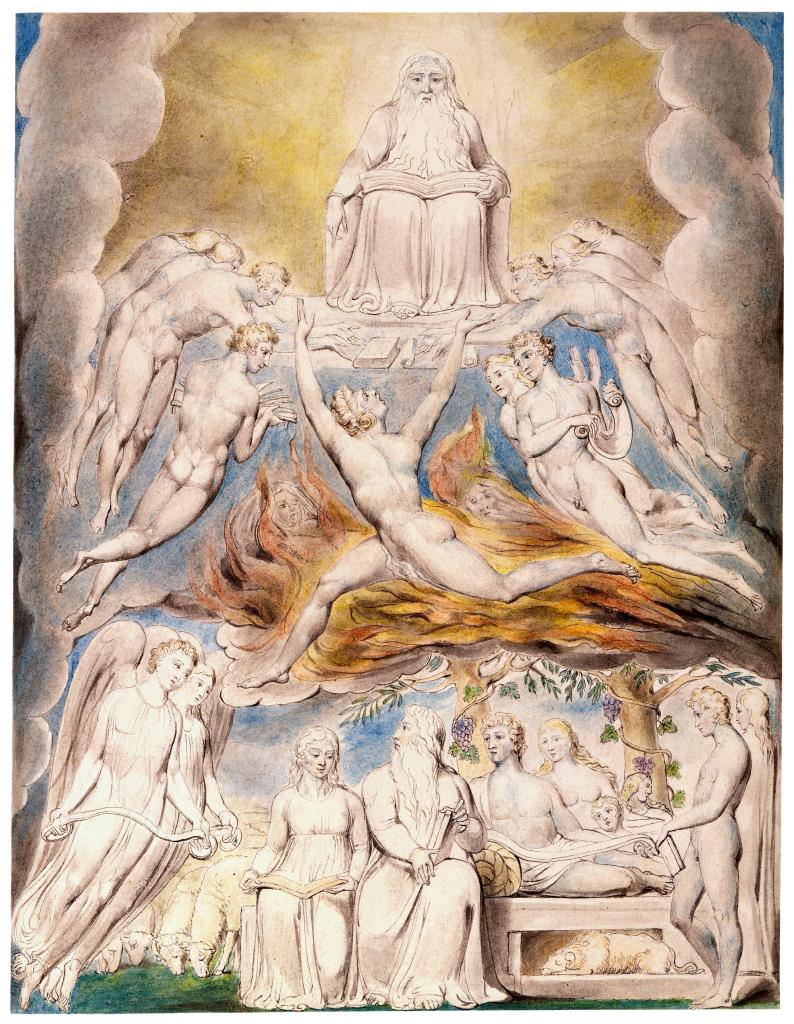
The Romantic English poet, painter, and printmaker William Blake was barely known in his own lifetime, although he was celebrated at the time for his Illustrations of the Book of Job (1826), considered to be one of the greatest masterpieces in the history of engraving. The 22 engraved illustrations began life as a series of watercolours in 1805. John Linnell commissioned Blake to engrave plates of the illustrations, which he did using the intaglio method rather than his usual relief method of printing.
In 1931, an all-British creative team, including the English composer Ralph Vaughan Williams (1872–1958), produced an incredible one-act ballet, Job. The concept for the ballet was inspired by Blake’s Illustrations of the Book of Job. Vaughan Williams titled the ballet Job: A Masque for Dancing, although it is not a masque at all—he just didn’t like the word “ballet.”
The ballet is made up of nine scenes, each including a quotation from the Book of Job. As Hugh Cobbe said in the programme notes accompanying the performance of Job at the Proms in 2014: “The idea of a ballet on the Blake Job illustrations was conceived by Geoffrey Keynes, whose mother was a Darwin and a cousin of Vaughan Williams, assisted by another Darwin cousin, Gwen Raverat whom Keynes asked to design the scenery and costumes. They decided to keep it in the family and approached Vaughan Williams about writing the music. The idea took such a hold on the composer that he found himself writing to Mrs Raverat in August 1927 ‘I am anxiously awaiting your scenario—otherwise the music will push on by itself which may cause trouble later on’. Out of all this emerged a musical work that exhibits the composer at the height of his powers. Often ballet music can seem only half the story when it is played apart from the dancing it was written for, but in this case the composer fully realised that an actual danced production was by no means assured (Diaghilev had firmly turned down Keynes’s offer of the ballet for Ballets Russes) and wrote a powerful piece for full orchestra, including organ, which could stand independently in a concert.”
My classical music post for today is Ralph Vaughan Williams: Job: A Masque for Dancing.


Leave a Reply