

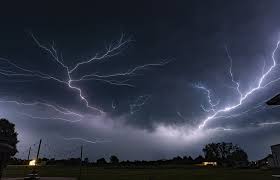
“Everybody talks about the weather, but nobody does anything about it.”—Charles Dudley Warner
Classical music composers may not do anything about the weather, but they often have been inspired by weather and other natural phenomena. This August, the Daily Classical Music Post will explore some of these works and learn about the ways that different combinations of instruments can depict storms, volcanic eruptions, and climate change.
JEROD IMPICHCHAACHAAHA’ TATE: ‘Talowa’ Hiloha’
The central United States is a prime location for severe weather, and Oklahoma is positioned right in the middle of that area. Warm, moist air from the Gulf of Mexico collides with cold, dry air from the Rockies and Canada, leading to instability in the atmosphere and the formation of thunderstorms.
The music of the Chickasaw composer Jerod Impichchaachaaha’ Tate (born 1968) is inspired by American Indian history and culture. He has said that one of his main aims is to develop American Indian classical music composition.
Tate composed Talowa’ Hiloha (Thunder Song) for solo timpani in 1997. He wrote on his website, “The Chickasaw word for thunder and lightning is Heloha and, in history, Chickasaw people believed thunderstorms were the beloved, or holy people at war above the clouds. In an attempt to show their bravery and fearlessness of death, warriors would shoot their guns into the air during thunder storms. This work is an homage to those old ways.”
My classical music post for today is Jerod Impichchaachaaha’ Tate’s Talowa’ Hiloha.


Leave a Reply