

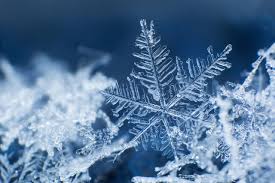
“Everybody talks about the weather, but nobody does anything about it.”—Charles Dudley Warner
Classical music composers may not do anything about the weather, but they often have been inspired by weather and other natural phenomena. This August, the Daily Classical Music Post will explore some of these works and learn about the ways that different combinations of instruments can depict storms, volcanic eruptions, and climate change.
McCulley-Falconer Duo – Birth of the Snow by Ryo Noda
The Japanese composer Ryo Noda (born 1948) is known for his classical works for saxophone as well as for his invention of Musico-Kinetic Therapy. He has won prizes for his compositions. He also is an acclaimed saxophonist, noted for his control of the instrument as well as his innovative technique.
Neil McGovern said, “[His] compositions are known for their effective melding of Japanese and Western art forms. . . . His writing for saxophone is as sophisticated as it is innovative, drawing on a range of extended techniques, but always applied in very musical contexts.” As a saxophonist, Noda was particularly influenced by Edison Denisov’s Sonate, which, as James Umble and Miche Gringas said, was “the front door which many 20th century composers stepped through becoming interested in Adolphe Sax’s instrument.” Michael Christensen said that the French avant-garde saxophonist Jean-Marie Londeix “had a clear influence on Noda’s compositions.”
Naissance de la Neige (The Birth of Snow), for alto saxophone and piano or electric organ, is a mesmerizing and fascinating work. It is a technically demanding piece with moments of true beauty intermingled with bursts of flashy runs and trills. The keyboard is more than an accompaniment, as it has its own important statements to make throughout. One analysis of the score points out that the “keyboard part seems more like a textural component rather than accompaniment. There are elements of aleatoric writing in both parts with clusters of tones within time frames (i.e. this group of notes should be played within 9″). It isn’t until the last section called III. Like snow that the wind blows gently on the ice where an accompaniment role is found with the keyboard playing rolled chords then reverts back to the writing similar to the beginning.”
My classical music post for today is Ryo Noda’s Naissance de la Neige.


Leave a Reply