

Ask people what genre they think film music is—is it classical? You will get widely varying responses. For some people, film music is a subgenre of classical music; for others, it is a completely separate genre that stands on its own. This June, the Daily Classical Music Post will look at the origins of film music and discover how it has evolved.
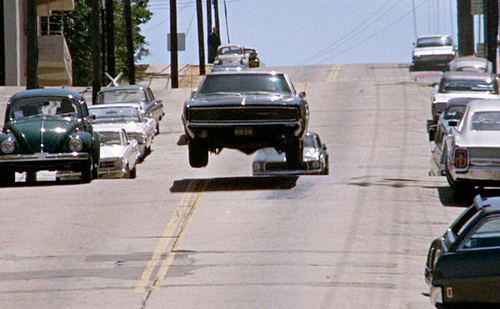
Bullitt | The Car Chase | Full Scene | Warner Classics
The 1960s was a time of big change and turmoil in the world, and this tumultuous time affected the movies just as much as any other aspect of life. Andreas Babiolakis wrote, “An influx of waves (be it French, Japanese, Czech, or New Hollywood) were colliding together to make the biggest statements to the world. The styles of old (westerns, musicals) were trying to rush in their final says before revisionism destroyed them for good. Black and white was finally being replaced by colour—Technicolor, that is—once and for all. . . . For a medium that was constantly shifting, film may not have had as much movement as it did in this point and time.”
Starting in the 1960s, the Argentine composer Lalo Schifrin (born 1932), a master at combining traditional classical orchestration with jazz and Latin American music, wrote some of the neatest, coolest soundtracks for both television and film. His themes for the television programmes Mission: Impossible and Mannix and for the Dirty Harry and Rush Hour film series are unparalleled and instantly recognizable. He was known for his gritty urban scores, incorporating funk and bebop, creating a really cool vibe. The epitome of cool scores by Schifrin is his wonderful one for Bullitt (1968), a film that showcased the new style of movie-making with its realism and blend of action and storytelling.
Bullitt starred Steve McQueen, the “King of Cool,” and the film included a groundbreaking, now legendary, car chase sequence through the streets of San Francisco. The main Bullitt Theme is very simple and straightforward, reflecting the character of the nonconformist police Lieutenant Frank Bullitt. Although the score is bluesy and jazzy, Schifrin chose to use a guitar and alto flute for the main theme rather than a saxophone. Throughout the film, the main theme modulates, sometimes tender, sometimes tense, always cool. But it is what Schifrin and Yates chose to do in that groundbreaking car chase scene is what really makes the score to this film extraordinary.
Craig Lysy wrote, “‘Shifting Gears’ is a score highlight, where Schifrin brilliantly sets the stage for one of the greatest car chases in cinematic history. Bullitt is driving his Mustang and realizes that mob hit men in a Dodge Charger are trailing him. An ever shifting syncopated percussive tension builds powered by strongly strummed bass and dirty jazz horns to support his realization. With some deft driving he manages to lose them in traffic, which Schifrin supports by augmenting the jazz line with a dirty sax. Funky horns and sleazy strings animato join as the mobsters seek to reacquire him. A look in the rear view mirror alerts them that Bullitt is now trailing them, which is supported by sax and pulsing low register bass. Tension slowly builds until all hell breaks loose as the mobsters flee and Bullitt pursues. Yates and Schifrin chose to let the chase unfold without music, supported only by the roaring engines and car chassis banging on the pavement.”
My classical music post for today is Lalo Schifrin’s Bullitt: “Shifting Gears.”


Leave a Reply