

There has always been a cultural exchange between the arbitrarily divided regions labelled East and West. However, the overwhelming influence of European and U.S. art and folk music often obliterated the traditional classical music in Asia. This March, the Daily Classical Music Post explores music by Asian composers who have sought to redress the balance.
Tweeeeet(er) (2023) for violin and orchestra – Piyawat LOUILARPPRASERT
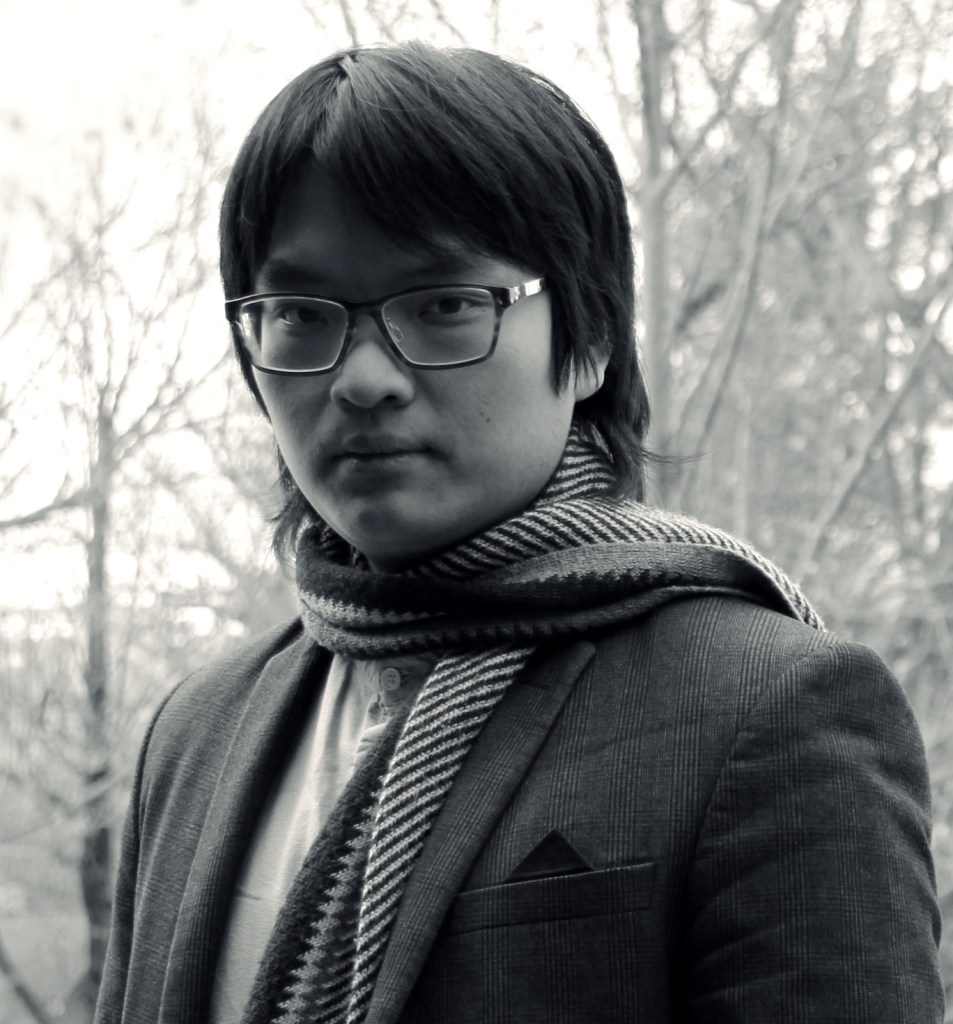
The Thai composer Piyawat Louilarpprasert (born 1993) has been described as a “rebel Thai composer taking music to unheard heights.” He said on his own website that his music “explores possibilities of creating the amalgamation of sonic and visual arts; including integrating multimedia and music, deconstructing instruments’ mechanism and physicality with sound production method, and involving Thai traditional music elements in new compositions.” He initially studied music in Thailand and then moved first to London to pursue his master’s degree and after that to the United States of America for his doctoral degree.
He founded the Thailand Music and Art Organisation in 2016, with the aim of creating and promoting contemporary Thai music and art internationally. He also founded the Tacet(i) ensemble in 2014. This is one of the leading contemporary classical music ensembles in Southeast Asia. Louilarpprasert said, “If I had to describe Tacet(i), I would think of a rubber: physically stretchable, robust, tensile and resilient; musically flexible, professional, open-minded and full of lively energy with a smile.”
Tweeeeet(er) was composed in 2023. It is in four movements: I: Migration and Swarm; II: Serenity; III: Crunchy Wood; and IV: Tweet-Tweet/Techno-Bird. The composer’s programme notes for Tweeeeet(er) said, “Dedicated to Ariana Kim, the violinist, Peter Veale, the conductor, and the Princess Galyani Vadhana Institute of Music Youth Orchestra. This piece explores various tweeting behaviors, including bird-like chirping, continuous sounds, high-pitched notes, and other avian sound characteristics. These sound behaviors have been transcribed into techniques for the violin and the entire orchestra.”
My classical music post for today is Piyawat Louilarpprasert’s Tweeeeet(er).


Leave a Reply