

“The world’s favorite season is the spring.”—Edwin Way Teale
Strauss – Kathleen Battle – Frühlingsstimmen – Voices of Spring
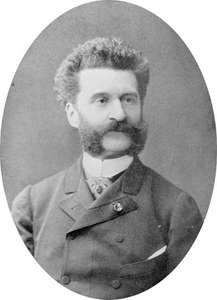
The Austrian composer Johann Strauss II (1825–1899) wrote his Frühlingsstimmen Walzer (Voices of Spring Waltz) in 1882.
Most people will recognise this waltz in its usually performed instrumental version. However, it was originally intended as a vocal waltz, or concert aria, for a German coloratura soprano, Bianca Bianchi. This was the first waltz that Strauss composed for a solo voice, although he had composed some choral waltzes. The lyrics were written by the Austrian librettist Richard Genée (the librettist of Strauss’ operetta Die Fledermaus). The Frühlingsstimmen Walzer premiered on 1 March in Vienna, with Bianchi singing and Strauss conducting the orchestra of the Theater an der Wien.
James M. Keller said, “[Genée’s] poem is, in fact, about singing—specifically the singing of a lark and a nightingale as balmy breezes awaken the fields and meadows, and ‘spring breaks forth in all its splendor.’ The audience loved the piece and demanded that it be encored on the spot. Strauss lost no time recasting Frühlingsstimmen into a strictly orchestral form, which the Strauss Orchestra (conducted by Johann’s brother Eduard) introduced on March 18, 1883, just seventeen days after the premiere of the vocal version. This, too, found favor with the audience, who cheered until it was repeated.”
My classical music post for today is Johann Strauss II’s Frühlingsstimmen Walzer.


Leave a Reply