

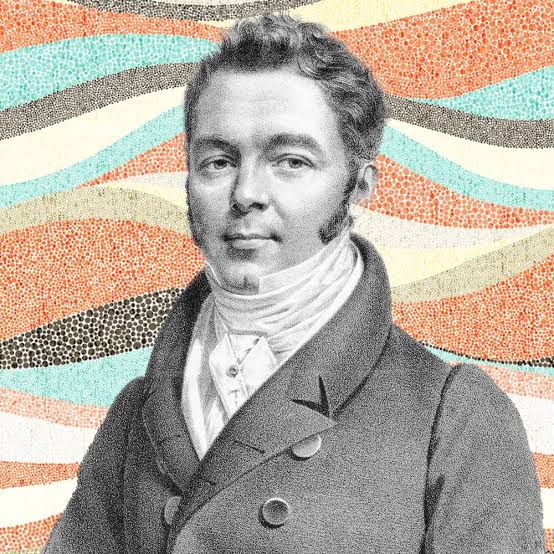
Chamber music, sometimes described as “the music of friends,” is generally used to refer to music composed for a small group of instruments or voices, with one performer to a part. The intimacy of chamber music makes it a perfect genre for compositions marking important events or for unusual combinations of instruments. This April, the Daily Classical Music Post will introduce you to some of these very special works.
George Onslow – Nonet in A-minor, Op 77a (1848)
The French composer George Onslow (1784–1853) was highly respected in his lifetime but his music quickly fell out of favour not long after he died. People have only just been rediscovering this composer who wrote more in a German Romantic style than in the French style of the time.
Although Onslow wrote symphonies and operas, the majority of his compositions are for chamber groups. His output includes more than 30 string quintets, more than 30 string quartets, 10 piano trios, and symphonies, operas, and sonatas. He also composed chamber music for larger numbers of groups, including six, seven, and nine. His Nonet (or, as George Menschel would have it, “neuftet”) in a minor, Op. 77a, for violin, viola, cello, bass, flute, oboe, clarinet, horn, and bassoon, is a perfect example of his brilliance at writing chamber music.
Edition Silvertrust, which reprinted the first edition of the Nonet, said, “Very few nonets have been written and that of George Onslow is certainly among the very best. . . . Onslow’s nonet dates from 1848. The first movement, Allegro spirituoso, begins with a melody characterized by its nervous excitement. The main theme of the second movement, Scherzo agitato, has the same nervous excitement found in the first movement. There seems to be a connection between the thematic material. The frantic pace of this edgy music never lets up. It begins softly and quickly rises in pitch. The theme in the trio section, led by the horn, is more relaxed and has a misty, mysterious quality. The nonet’s center of gravity is its big, slow movement, Adagio. The theme is quiet, and pleasant. A set of five variations follow. Here, Onslow changes the ensemble groupings, rather than varying the mood or tempo of the music. The finale, Largo, Allegretto quasi Allegro, begins, as the title suggests, with a slow theme, pregnant with possibilities and slightly ominous. The Allegretto, however, is bright and full of bustling energy.”
My classical music post for today is George Onslow’s Nonet in a minor.


Leave a Reply