

José Siquiera: Oratório Candomblé
In September 2023, North Carolina classical radio station WCPE created an uproar when the music director announced that they would ban broadcasts of several operas being performed by the Metropolitan Opera. It didn’t take many weeks for that decision to be reversed. Sometimes, however, it takes years or even generations for composers and music that has been banned to be heard. This November, the Daily Classical Music Post will look at some music that was banned for a wide variety of reasons.
José Siqueira – Oratório Candomblé
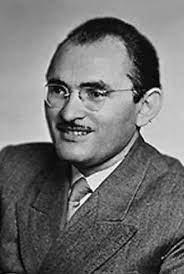
The Brazilian composer José Siquiera (1907–1985) was one of the most popular and accomplished musicians in Brazil until 1969, when the military dictatorship banned his music and forced him to leave his post teaching music in Rio de Janeiro because he was a communist. Recognizing that his career in Brazil was over, Siquiera emigrated to Russia. He was able to pick up his career there, and in addition to composing many works, he also conducted some of the major Russian orchestras.
Siquiera’s extraordinary 13-part Oratório Candomblé, for orchestra, six soloists, two mixed choirs, children’s choir, and percussion orchestra was composed in 1957–1958. He spent months researching and planning this monumental work, which commemorates the 70th anniversary of the abolition of slavery in Brazil. An article in the Jornal do Brasil said, “Written in the Nagô language ‘to more authentically represent the Candomblé ceremonial’, the oratorio Candomblé African, by maestro José Siqueira, was written in 1957 but has so far only been presented three times to the Brazilian public.” This was in 1968, and it was many years before any of Siquiera’s music was heard in Brazil again.
The music in many of Siquiera’s compositions is like this one in that he researched folklore and popular song traditions throughout Brazil and then incorporated that into his own distinctive Brazilian Modernist style. He particularly liked using the three musical modes that he discovered in the folk music of the northeastern region of Brazil. He said, “What I did was organize the use of these three Brazilian modes, so usual in the Northeastern region, to which I pay this humble homage, at the same time that I hope to have contributed to the fixation of norms that will be imperative for the formation of Brazilian Music.”
My classical music post for today is José Siquiera’s Oratório Candomblé.


Leave a Reply