

Davóne Tines: Eastman Homage
In September 2023, North Carolina classical radio station WCPE created an uproar when the music director announced that they would ban broadcasts of several operas being performed by the Metropolitan Opera. It didn’t take many weeks for that decision to be reversed. Sometimes, however, it takes years or even generations for composers and music that has been banned to be heard. This November, the Daily Classical Music Post will look at some music that was banned for a wide variety of reasons.
*** Today’s post is about a very recent act of censorship. Please read the text before clicking through to the video. ***
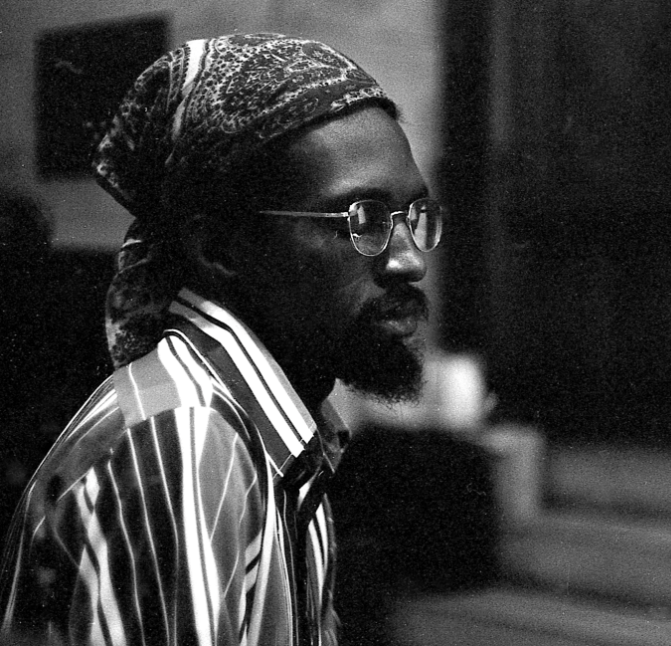
In July 2020, the opera singer Davóne Tines prepared a video to celebrate the music and life of the American minimalist composer Julius Eastman (1940–1990). This was to be part of the Rockport Chamber Music Festival, online that year because of the pandemic. However, the video was withdrawn from the programme; the organisers said that this was due to “artistic differences.”
Diti Kohli said, “Those differences concerned the provocative nature of Eastman’s work, specifically his composition titles. In an effort to bring uncomfortable topics into rarefied concert halls, the composer would name his pieces using homophobic and racial slurs.” Tines refused to change the titles, saying “It wasn’t about the shock value of the titles. It’s about teaching people about identity, and why Eastman chose to be so bold about his race and sexuality.” Eastman’s friend and biographer, composer Mary Jane Leach, said, “Censoring the titles is censoring Eastman, plain and simple.”
Much of Eastman’s music explores both his Black and his gay identity. He increasingly felt that he was not given the opportunities that he should have been given, and he turned to alcohol and drugs. He died homeless, broken, and alone, and his death was not even remarked upon until eight months after he died. The composer Lukas Foss once said, “[Eastman] had an unbelievable voice, and so much talent he didn’t know what to do with it. He didn’t realize what a gift he had.” When he began his downward spiral, a good deal of his scores were confiscated by the local sheriff’s office. In addition, many of his scores are sketchy at best, so unless someone is around now who participated in a performance during Eastman’s lifetime and is able to help reconstruct the works, they are to all intents and purposes lost.
Kyle Gann said, “[H]is music seemed an exciting and eccentric part of what was going on, but looking back today, his pieces sound particularly distinctive, as though he had not only absorbed minimalism, but could see into its future.” Eastman was an extraordinary talent, censored and silenced so much in his short lifetime. I’m really glad that Tines decided to make his video available on YouTube, even though it wasn’t included in the festival.
My classical music post for today is Davóne Tines’s Eastman Homage.


Leave a Reply