

Sergei Rachmaninoff: The Bells
In September 2023, North Carolina classical radio station WCPE created an uproar when the music director announced that they would ban broadcasts of several operas being performed by the Metropolitan Opera. It didn’t take many weeks for that decision to be reversed. Sometimes, however, it takes years or even generations for composers and music that has been banned to be heard. This November, the Daily Classical Music Post will look at some music that was banned for a wide variety of reasons.
Rachmaninoff: The Bells / De Klokken (Kolokola) – Radio Filharmonisch Orkest – Live Concert HD
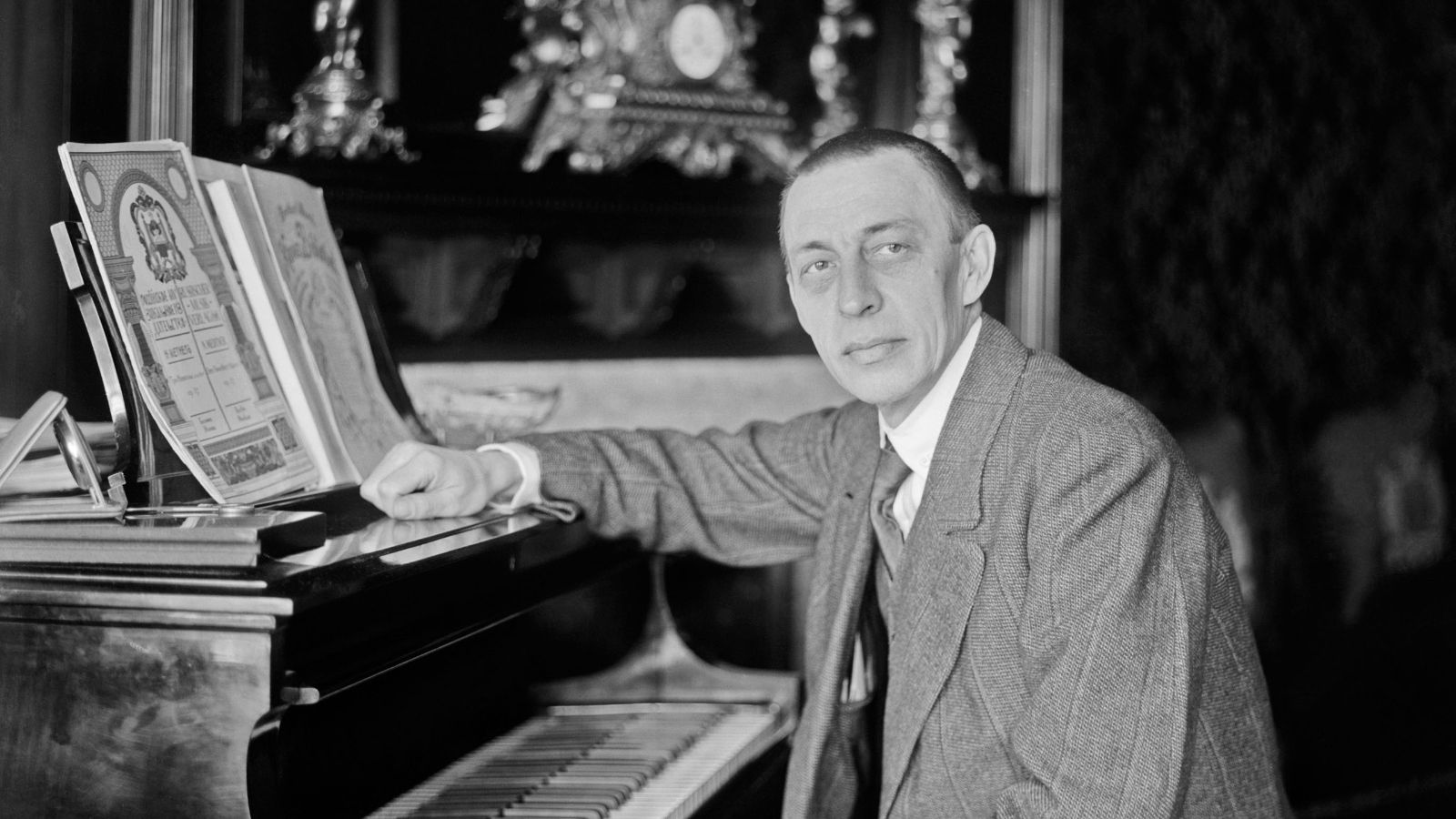
The Russian virtuoso pianist and composer Sergei Rachmaninoff (1873–1943) had enjoyed a great deal of success in Russia and was considered to be one of the leading musicians there at the turn of the century. The Bolshevik Revolution changed all that; it wasn’t long before Rachmaninoff’s music, which was electric and emotional, was designated “degenerate” and “anti-Soviet.”
In 1913, Rachmaninoff composed his choral symphony The Bells, with words from the poem by Edgar Allen Poe. The symphony depicted the sounds of bells that Rachmaninoff heard while he was growing up in Russia, including church bells and sleigh bells. He said, “All my life I have taken pleasure in the differing moods and music of gladly chiming and mournfully tolling bells. This love for bells is inherent in every Russian. . . . In the drowsy quiet of a Roman afternoon, with Poe’s verses before me, I heard the bell voices, and tried to set down on paper their lovely tones that seemed to express the varying shades of human experience.”
By the time he composed this work, he had already left the Soviet Union, as he was unhappy about the political situation. In the 1920s, he wrote some letters critical of the Bolshevik regime, and the result was that his music was banned: no performances or even study of his music was allowed from 1926 to his death (and beyond). Several Soviet-approved musicians and politicians singled out The Bells for what they deemed its “White Russian” sensibilities and yearnings for the pre-Revolution Russia.
Georg Predota said, “The four sections of poetry—silver sleigh bells, wedding bells, alarm bells, and funeral bells—represent four aspects of life: birth, marriage, terror, and death. Rachmaninoff devised a highly original musical form that suited his inspiration. His choral symphony unfolds in four movements, and features three soloists, chorus, and large orchestra.”
My classical music post for today is Sergei Rachmaninoff’s The Bells.


Leave a Reply