

Daniël Belinfante: String Quartet No. 1: II. Wéénsche walzen tempo
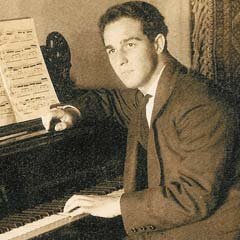
In September 2023, North Carolina classical radio station WCPE created an uproar when the music director announced that they would ban broadcasts of several operas being performed by the Metropolitan Opera. It didn’t take many weeks for that decision to be reversed. Sometimes, however, it takes years or even generations for composers and music that has been banned to be heard. This November, the Daily Classical Music Post will look at some music that was banned for a wide variety of reasons.
Daniel Belinfante String Quartet
The Dutch composer Daniël Belinfante (1893–1945) is almost completely unknown today. Before World War II, he and his wife Martha, also a composer, had a lot of success. However, in 1941, he was forced to go into hiding. The Germans confiscated as much of Belinfante’s music as they could find, and they banned any performances of his music. In their papers, which included many manuscripts subsequently lost, a note was found that said “on Feb. 17, 1941, we will deposit our works with friends, people are babbling too much and rumor has it that the persecution of Jews is imminent. My God, when will man become Mensch? When will this madness of blood-red passion and bleak destruction end?” It wasn’t long before Belinfante was discovered, arrested, and sent to a concentration camp.
Marcel Worms said, “Willem Willing’s posthumously published diary Afdrukken van Indrukken (Printing of Imprints) gives a description of his fellow prisoner Belinfante: ‘At first the violent infringement on his liberty left him broken, numb. Until a sudden vitality prevailed—he asked me for some writing paper. Then, on the top bunkbed, he wrote a composition depicting, as he said, the sorrow of that moment and his environment. It will be emotionally upsetting when it is one day performed’.”
Belinfante died in the concentration camp just before liberation. After the war, Martha re-opened the music school where she and her husband had taught. Marcel Worms said, “The opening concert featured Händel, Ravel and Debussy, but surprisingly no music by Daniel Belinfante, even though the school was already renamed the Dan. Belinfante Music School. In this way the founder of the school was honored, but performance of his work was apparently still too sensitive. It was not until the 1990s that the time was right to play and record his music.”
Marcel Worms said, “Like his Dutch contemporaries, his music had a strong affinity with French music from the interbellum; with influences of Ravel and Debussy and especially of Darius Milhaud. Like Milhaud, Belinfante frequently uses bitonality and polytonality, the usage of two or more keys simultaneously. This provides his work with harmonic tension and a rich array of colors.”
My classical music post for today is Daniël Belinfante’s String Quartet No. 1: II. Wéénsche walzen tempo.


Leave a Reply