

Alessandro Scarlatti: “La tua destra, o sommo Dio” from La Giuditta
In September 2023, North Carolina classical radio station WCPE created an uproar when the music director announced that they would ban broadcasts of several operas being performed by the Metropolitan Opera. It didn’t take many weeks for that decision to be reversed. Sometimes, however, it takes years or even generations for composers and music that has been banned to be heard. This November, the Daily Classical Music Post will look at some music that was banned for a wide variety of reasons.
Scarlatti La Giuditta La tua destra
Around the turn of the 18th century, the Catholic Church in Rome banned all opera. Pope Clement XI was disturbed by political conflicts that were threatening the Church’s authority, and he deemed opera to be incendiary.
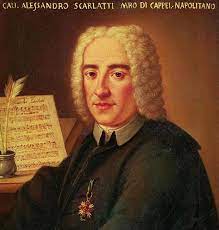
The Italian Baroque composer Alessandro Scarlatti (1660–1725) was a highly regarded opera composer at that time, and he realised that in order to continue to have his works performed, he would have to be a bit ingenious. Anthony Tommasini said, “Handel, Alessandro Scarlatti and Antonio Caldara, among others, simply turned to the oratorio, writing works full of impassioned arias with love stories thinly disguised as allegorical tales. These oratorios were actually stealth operas.”
Scarlatti’s La Giuditta (composed c. 1700) is described as an oratorio in two acts, with a libretto by Antonio Ottoboni. It is based on the quasi-biblical story of Judith. The programme book for a 2023 performance of the oratorio said, “In a gripping tale of bravery in the face of tyranny, the beautiful widow Judith saves the people of Israel from the clutches of the oppressor Holofernes by seducing and then beheading him. Haymarket’s vocal and instrumental virtuoso soloists bring this searing and rarely performed seventeenth-century musical masterpiece to life. A head will roll.” [bold and italics in the original]
When La Giuditta premiered, it would have been sung in a very straightforward manner, as all oratorio, with soloists in front of the orchestra, standing very still. More modern performances of La Giuditta are semi-staged, recognising that this work is in all but name an opera. It’s important to note that at the time, both operas and oratorios were sung by all-male casts, with castrati singing the soprano and alto roles, but of course today, women can perform these works.
Towards the end of the second act, Giuditta reassures Oloferne that he will rest in “soft oblivion.” He goes to sleep, and she sings “La tua destra, o sommo Dio” (Your right arm shall strike down tyrants) right before she chops off his head. The Haymarket Opera Company programme describes the music: “The full aria prompts our imagining: Giuditta is poised with her sword over the sleeping Oloferne and prays for success. Melodic shapes on the words ‘destra’ and ‘ferir’ seem to predict the carving motion of the sword, while sustained notes convey her strength and courage. . . . Scarlatti keeps us on the edge of our seats until Giuditta narrates the beheading in a spiritoso recitative whose fast bass-line scale figures and surprising harmonic shifts color the moment she cuts off Oloferne’s head.” And of course, we do have to imagine this scene, because it’s an oratorio, not an opera.
My classical music post for today is Alessandro Scarlatti’s“La tua destra, o sommo Dio” from La Giuditta.


Leave a Reply