

Heitor Villa-Lobos: Concerto for Harmonica and Orchestra
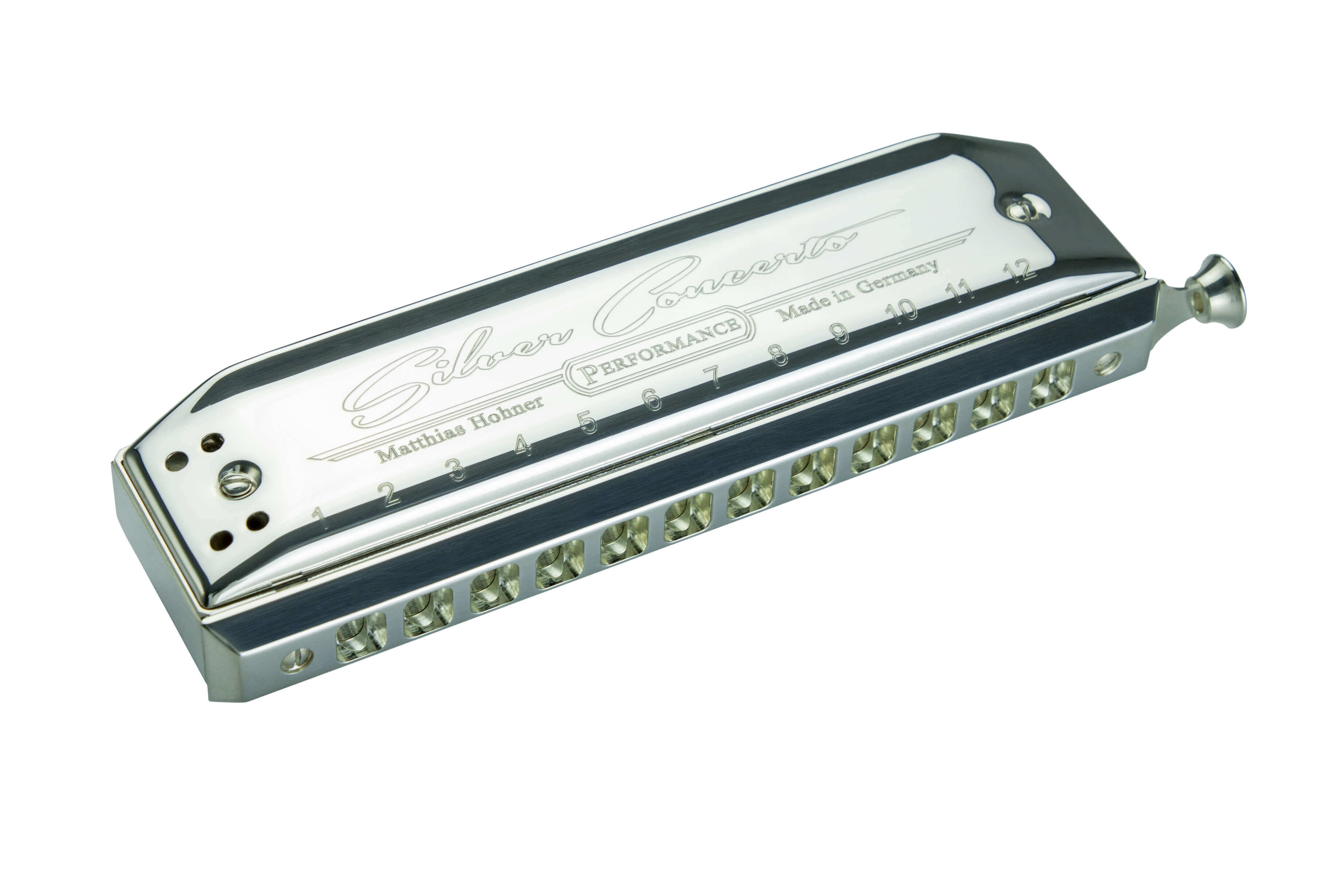
September is a month of unusual holidays, including “No Rhyme, No Reason Day,” “Wonderful Weirdos Day,” “Ceiling Fan Day,” and “Punctuation Day” (a personal favourite). To celebrate unusual holidays, this September the Daily Classical Music Post will explore music composed for unusual instruments either in ensembles or featured in a soloist capacity.
Heitor Villa-Lobos : Concerto for harmonica and orchestra W524 (1955-56)
Mention the harmonica, and most people will immediately think of blues or folk music, and maybe country or rock music. However, the mouth organ, as it is also known, developed so much since its origins in the early 19th century that by the early 20th century, when the chromatic harmonica was introduced, came to the attention of classical composers including Ralph Vaughan Williams, Darius Milhaud, and Malcolm Arnold, to name just a few. Henry Doktorski quotes the concert harmonicist Larry Logan: “conductors . . . know very little of the harmonica’s history. . . . When they engage a harmonica soloist in a concert, they are not engaging the soloist because they respect his virtuosity on the instrument, or because he has a long history on the legitimate stage. They are engaging the harmonica soloist because he has [had] an original composition for harmonica and orchestra written [for him] by some famous contemporary composer. You see, they are engaging the harmonica artist only because they are intrigued by the composer writing for this little rube instrument.”
The Brazilian composer Heitor Villa-Lobos (1887–1959) was attracted to the sound and possibilities of the harmonica and in 1955 responded to a request by the American virtuoso harmonicist John Sebastian to write a work for the instrument. The result, the Concerto for Harmonica and Orchestra, is considered by many to be the finest work ever composed for classical harmonica.
Robert Bonfiglio says, “The first movement is highly melodic while the harmonica’s singing qualities are to be found in the plaintively haunting lyricism of the slow movement. The finale embodies festive romance and great virtuosity, capping one of the most exciting works in the repertoire.” John Duarte points out that the concerto is “more European than Brazilian—but unmistakably that of Villa-Lobos, with clear-cut thematic material, lush harmonies, prismatic writing for the orchestra, . . . and, after the composer’s concerto fashion, a substantial cadenza.”
My classical music post for today is Heitor Villa-Lobos’s Concerto for Harmonica and Orchestra.


Leave a Reply