

Antonio Vivaldi: Piccolo Concerto in C Major, RV 443
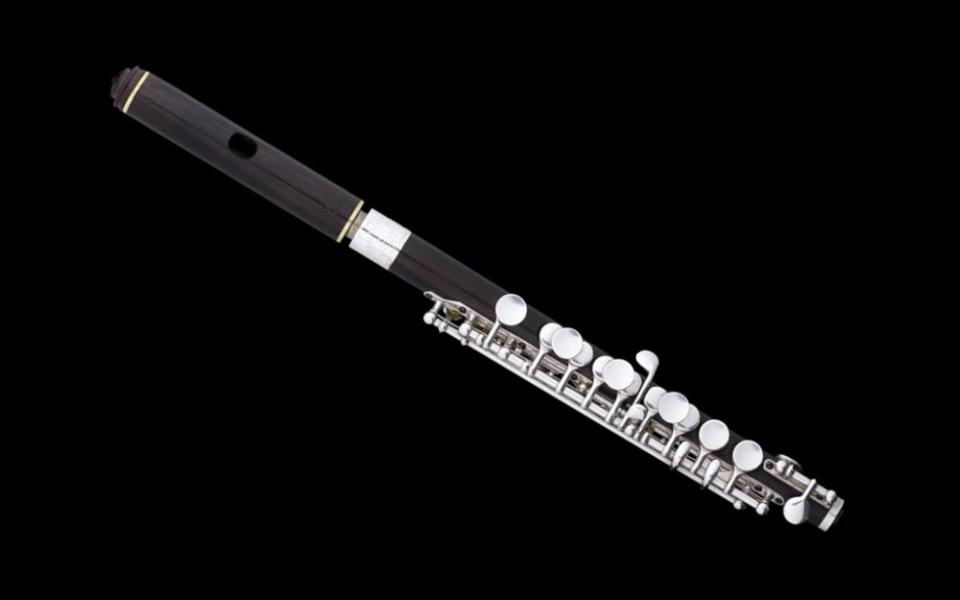
September is a month of unusual holidays, including “No Rhyme, No Reason Day,” “Wonderful Weirdos Day,” “Ceiling Fan Day,” and “Punctuation Day” (a personal favourite). To celebrate unusual holidays, this September the Daily Classical Music Post will explore music composed for unusual instruments either in ensembles or featured in a soloist capacity.
Vivaldi: Piccolo Concerto in C Major, RV 443
The piccolo may be one of the loudest instruments in the orchestra (or band), but the piccolo player (or, as some like to call me, the piccler), rarely performs as a soloist. More often, the piccolo is an embellishment, a brilliant addition to the sound of the violins or the flutes. Most second violins who ever sat near me probably would choose the word “shrill” but that’s their lookout.
Piccolos, or more correctly octave transverse flutes, first appeared some time during the medieval period in military bands, but it wasn’t until the early 18th century that orchestral works included flautinos or flauto piccolos on a regular basis. In the Baroque era, this instrument more like a recorder than the modern piccolo, enjoyed some measure of popularity, particularly as a result of the piccolo concertos composed in Italy by Antonio Vivaldi (1678–1741).
These three concertos, RV 443 in C Major, RV 444 in C Major, and RV 445 in a minor, are among the most important works ever composed for the piccolo. All three show off the piccolo player’s skill very well. Willard J. Hertz says, “In RV 443, Vivaldi adopted the ritornello for the fast first and third movements, and made the slow intervening movement as important as the other two. . . The first movement, in C major, opens energetically with a ritornello for the main body of instruments, leading to an incredible display of agility by the soloist. The slow movement, largo, is a slow singing aria in E minor to which the soloist, in the style of the day, was expected to add embellishments. . . . The third movement, allegro molto, restores both the C major key and the ritornello format. In the contrasting episodes, the soloist indulges in trills, arpeggios and rapid triplets, interrupted by brief passages for the tutti to give the soloist a chance for breath.”
RV 443 is the most well-known of the three concertos, and it often appears on audition lists, as it really reveals the ability of the performer to get a lovely tone in the very high octaves as well as dexterity; I can say from personal experience that it is not easy to play the really fast passages when your fingers are so close together on this tiny instrument.
My classical music post for today is Antonio Vivaldi’s Piccolo Concerto in C Major, RV 443.


Leave a Reply