

Throughout human history, technological developments have transformed the ways we live, work, communicate, and create. This November, the Daily Classical Music Post will explore compositions inspired by or made possible through many of these innovations and inventions, discovering how the changing world has shaped the music we make and hear.
Hildegard Westerkamp – Kits Beach Soundwalk (1989)
The German-born Canadian composer Hildegard Westerkamp (born 1946) has spent much of her career exploring the sounds of the world around us, particularly those we hear every day without really listening to them. After moving to Canada in 1968, she became involved with the World Soundscape Project at Simon Fraser University in British Columbia, an influential research initiative examining the relationship between people and their acoustic environments. In the late 1970s, she developed and presented a radio programme called Soundwalking on Vancouver Co-operative Radio, taking listeners on recorded journeys through the city’s streets, parks, and neighbourhoods. Her Kits Beach Soundwalk, composed in 1989, grew out of those experiences.
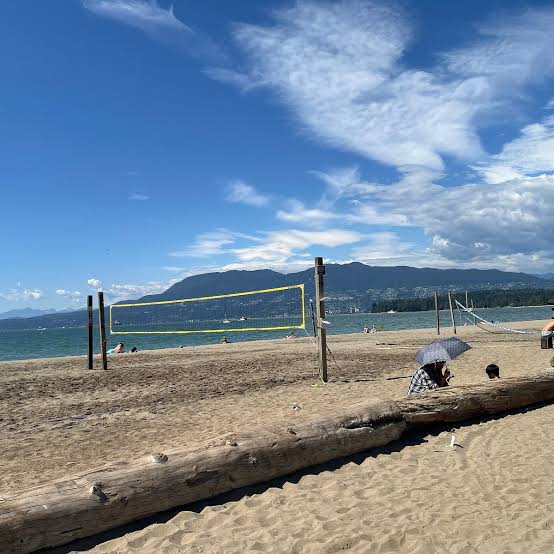
One quiet evening, Westerkamp was walking along Kitsilano Beach in Vancouver when she heard an unfamiliar clicking sound coming from some rocks near the water. Fascinated, she hurried home to collect her recording equipment and returned to capture the sound. What she had discovered was the tiny clicking of barnacles feeding! Normally, such delicate sounds would be almost impossible to hear against the noise of the city, but the unusually calm conditions had allowed them to emerge. Westerkamp subsequently transformed her recording into a composition combining environmental sounds, electronic processing, and her own spoken commentary.
The work begins with the sounds of the beach: water gently lapping against the shore, birds, and the distant rumble of Vancouver’s traffic. Westerkamp’s voice introduces the setting and gradually draws our attention to sounds that might otherwise go unnoticed. As the composition develops, the recorded sounds are manipulated, amplified, and transformed. The tiny clicks of the barnacles become increasingly prominent, leading us into an extraordinary miniature sound world that would normally remain hidden beneath the city’s acoustic activity. The result is both a documentary recording of a real place and an imaginative exploration of sounds beyond our ordinary perception.
But Westerkamp’s interests extend well beyond the technical possibilities of recording equipment. She has long been concerned with acoustic ecology, the study of the relationship between living beings and their sonic environments. The beach itself has a history that becomes part of the composition. Kitsilano takes its name from the Squamish chief X̱ats’alanexw, commonly known as August Jack Khatsahlano, and Westerkamp reflects on the enormous changes that European settlement and modern urban development brought to the area’s soundscape. The quiet natural environment of earlier generations has been transformed by traffic, industry, amplified music, and the continuous activity of a modern city.
Kits Beach Soundwalk was completed in Westerkamp’s own studio and premiered at the Vancouver Art Gallery in March 1989. It demonstrates how portable recording equipment and electronic sound manipulation opened entirely new possibilities for composers. Like Ottorino Respighi, who brought a recorded nightingale into his orchestra, Westerkamp uses technology to reveal sounds from the natural world. But rather than placing them within a conventional musical composition, she makes the act of listening itself the subject of the work.
My classical music post for today is Hildegard Westerkamp: Kits Beach Soundwalk.


Leave a Reply