

Throughout human history, technological developments have transformed the ways we live, work, communicate, and create. This November, the Daily Classical Music Post will explore compositions inspired by or made possible through many of these innovations and inventions, discovering how the changing world has shaped the music we make and hear.
Cris Derksen: Controlled Burn (2023) (Performance begins at approximately 35:55.)
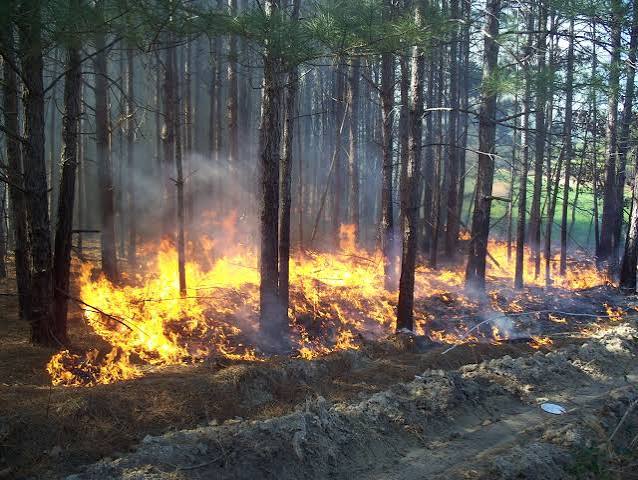
For thousands of years, Indigenous peoples across North America have used carefully controlled fires to manage the land, clear undergrowth, encourage new growth, and protect forests and wildlife. Far from being simply a destructive force, fire was an essential tool for maintaining healthy ecosystems. The Canadian Cree cellist and composer Cris Derksen (born 1981) draws on this ancient knowledge in Controlled Burn (2023), a work that brings together Indigenous traditions, classical orchestral music, and electronic technology.
Derksen, who comes from Treaty 8 territory in northern Alberta, studied classical cello at the University of British Columbia. Their musical career has taken them well beyond the traditional concert hall, combining cello with electronic effects, looping pedals, drum machines, and elements of Indigenous music. They have worked with orchestras, dancers, filmmakers, and musicians from a wide variety of genres. Their 2015 album Orchestral Powwow, for example, brought together classical string playing, electronic music, and the sounds of powwow singing and drumming.
Controlled Burn was commissioned by Montréal’s Orchestre Métropolitain under Yannick Nézet-Séguin and premiered in September 2023. In preparing the composition, Derksen consulted Dr. Amy Cardinal Christianson, a Métis scientist and specialist in Indigenous fire management. For generations, Indigenous communities carried out controlled burns when conditions were safe, often in the spring while the ground was still damp. These fires removed accumulated vegetation, returned nutrients to the soil, and helped prevent more devastating wildfires. European settlers frequently regarded fire only as a threat, however, and colonial governments introduced restrictions that suppressed traditional Indigenous burning practices. The consequences of that approach are increasingly apparent as communities confront destructive wildfires.
Derksen’s composition explores both the traditional relationship with fire and the way that relationship has changed. The music begins with the crackling sound of a fire being lit, created by the cellos and double basses playing col legno, striking their strings with the wooden backs of their bows. Percussion and orchestral rhythms gradually build in intensity, while Derksen’s amplified cello, electronic effects, and looping pedals add another dimension to the sound. At one point, the music evokes birds in flight; elsewhere, militaristic percussion and explosive effects suggest the modern struggle to contain wildfires.
Derksen has explained that controlled burning was once a community activity, with children playing and families gathering. But as these traditional practices were increasingly abandoned or suppressed, vegetation and other combustible material accumulated, creating conditions in which wildfires could spread more rapidly and become far more destructive, requiring the massive emergency responses we see today.
There is an interesting contrast at the heart of Controlled Burn. The knowledge of how to use fire sustainably was developed over countless generations, long before modern scientific instruments or industrial machinery existed. Yet the composition that celebrates that knowledge uses some of today’s most sophisticated musical technologies. It is a reminder that technological progress does not always mean replacing older knowledge; sometimes it means rediscovering its value.
My classical music post for today is Cris Derksen: Controlled Burn.


Leave a Reply