

Throughout history, myths and legends have brought ancient mysteries and epic sagas to life. This September, the Daily Classical Music Post will explore how composers from different eras and continents have reimagined these stories through the universal language of music.
Los Cuatro Soles – Ballet (2023 Remastered Version)
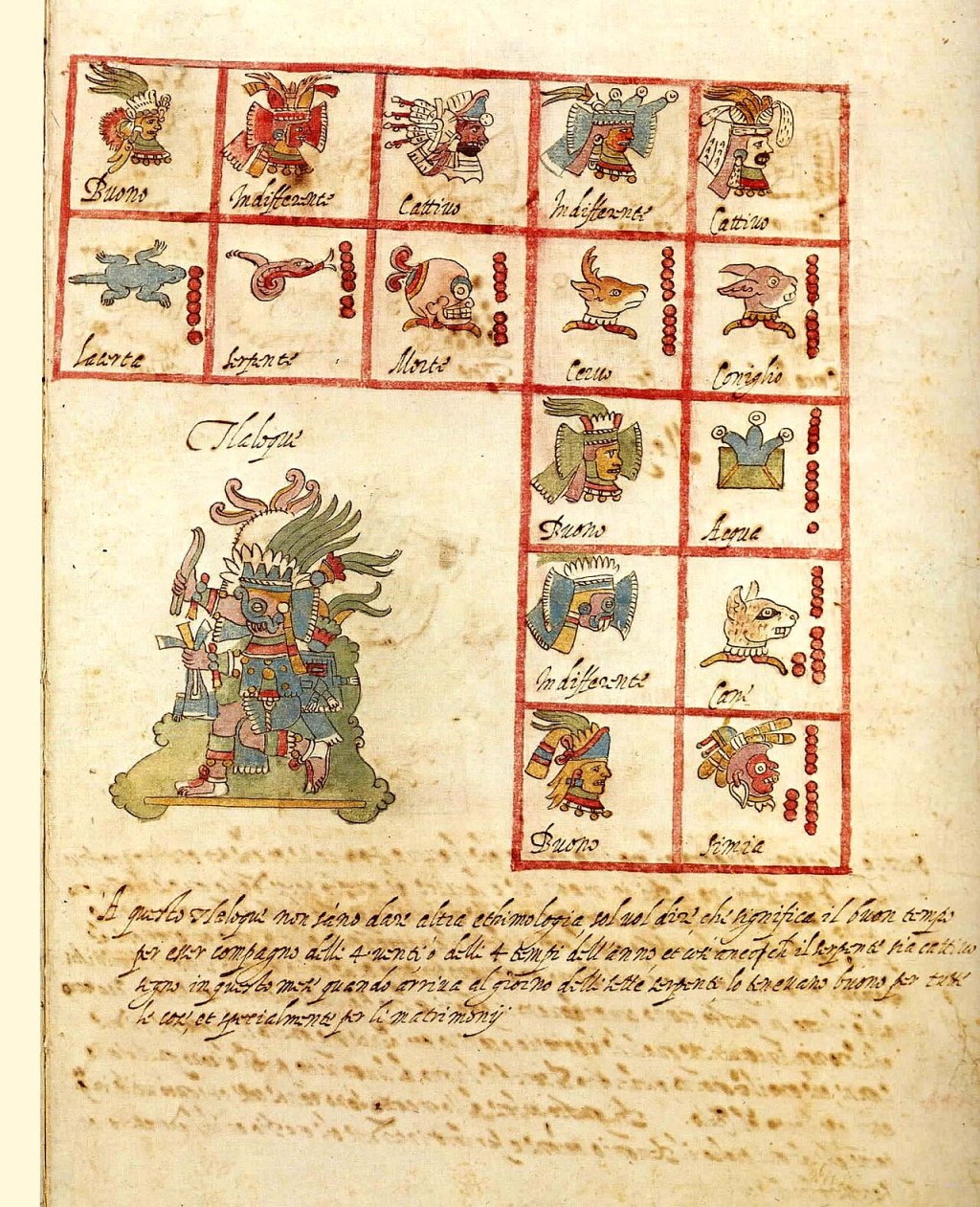
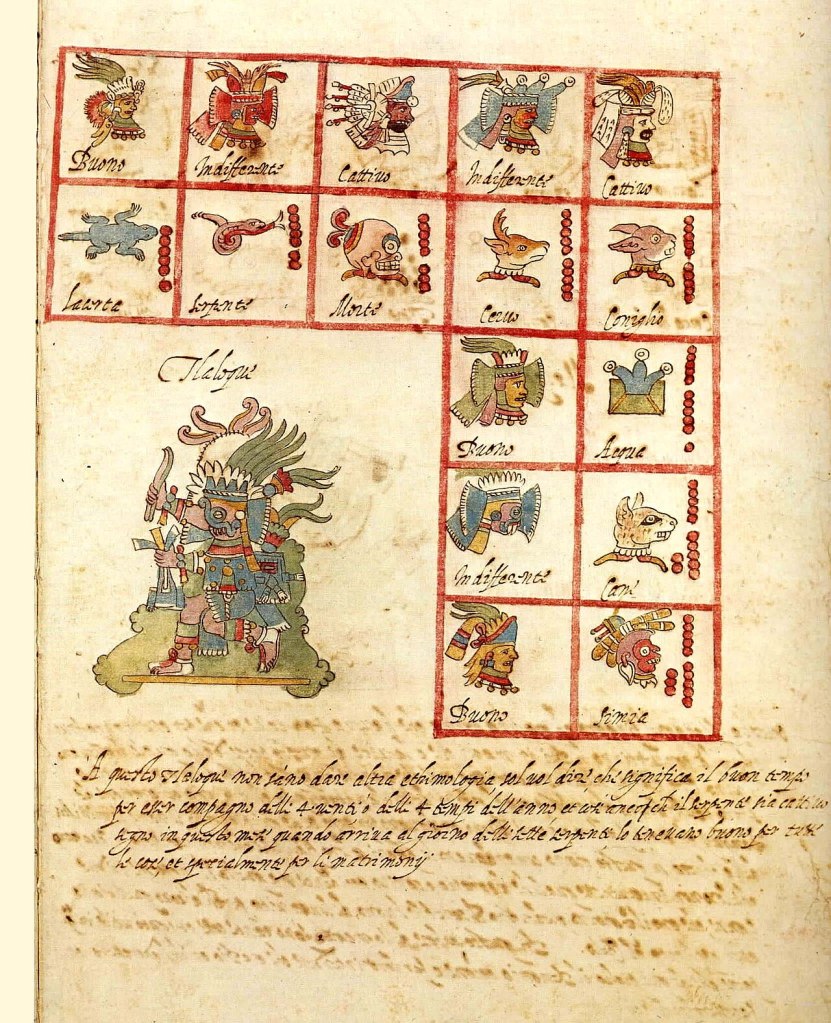
The Mexica (a specific group of people who were part of the larger Aztec Empire) believed that the world had been created and destroyed four times, from the First to the Fourth Sun, before the current era, which they called the Fifth Sun. Each Sun era was ruled by a different god, and each Sun era ended by a cataclysm. The Fifth Sun is also predicted to end in disaster and destruction. The First Sun (4-Jaguar) ended when humans were devoured by jaguars. The Second Sun (4-Wind) ended when people were swept away by hurricanes. The Third Sun (4-Rainstorm) ended when the world was destroyed by a rain of volcanic fire. And the Fourth Sun (4-Water) ended when the world was consumed by a cataclysmic flood. Our era, the Fifth Sun (4-Movement), will end with a massive worldwide earthquake, but no one knows exactly when that will happen. The myth was written down in a manuscript, the Codex Vaticanus (aka Codex Ríos) between 1547 and 1562 by a Dominican friar, Pedro de los Ríos, and indigenous scribes and painters, preserving the stories for future generations.
The Mexican composer Carlos Chávez (1899–1978) was one of the key figures in 20th-century Mexican concert and art music. He frequently integrated Mexican folk and indigenous melodies, rhythms, and stories into his classical and modernist compositions, and he was a pioneer of Mexican musical nationalism.
In 1925, Chávez composed the ballet Los cuatro soles (The four suns) based on the myth. He studied the Codex Vaticanus closely along with his collaborator, the Mexican artist Miguel Covarrubias, to create scenery and choreography that would represent the myth. Leonora Saavedra wrote that Chávez didn’t claim to re-create pre-Columbian music; “Contradicting his avowed intention of revaluing Mexico’s past, Chávez internalized a European conception of the pre-Columbian as the primitive other, and built some of his most famous music on this assumption. Thus his musical representation of the indigenous, and of the Aztec in particular, is loaded with contradictions and ambivalence, which makes his music all the more compelling.”
Los cuatro soles is episodic and repetitive, mirroring the Mexica timeline. He used indigenous instruments as well as Western European ones, creating a primal atmosphere. And he used extreme dissonance to depict the terrifying destruction of each Sun. The music of the final section, when humans discover maize and thereby achieve stability, is based on an authentic pre-conquest hymn of adoration to Centeotl, the Aztec Maize deity.
My classical music post for today is Carlos Chávez: Los cuatro soles.


Leave a Reply