

Throughout history, myths and legends have brought ancient mysteries and epic sagas to life. This September, the Daily Classical Music Post will explore how composers from different eras and continents have reimagined these stories through the universal language of music.
Golem: IV. Dance of the Phantom Spirits
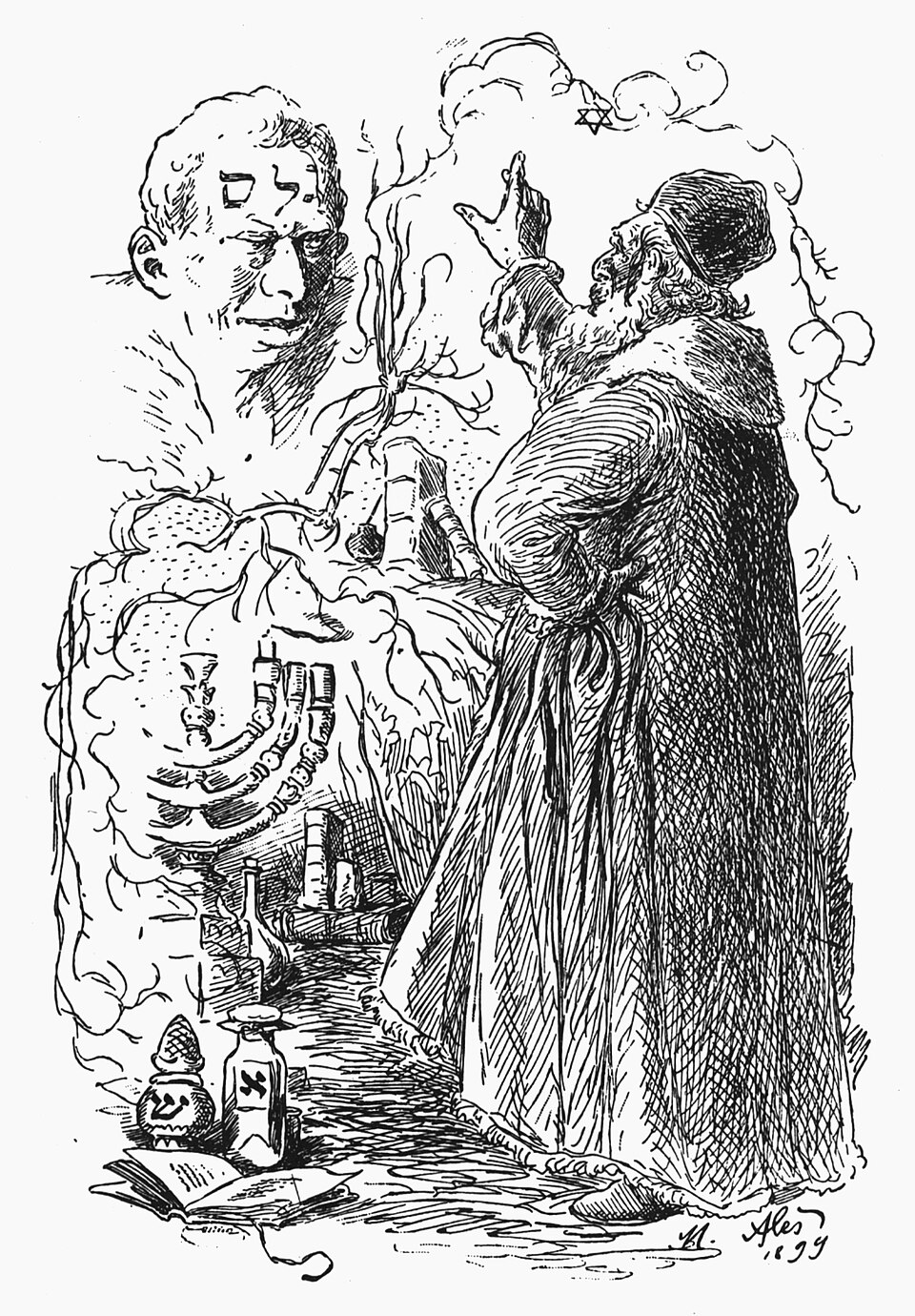
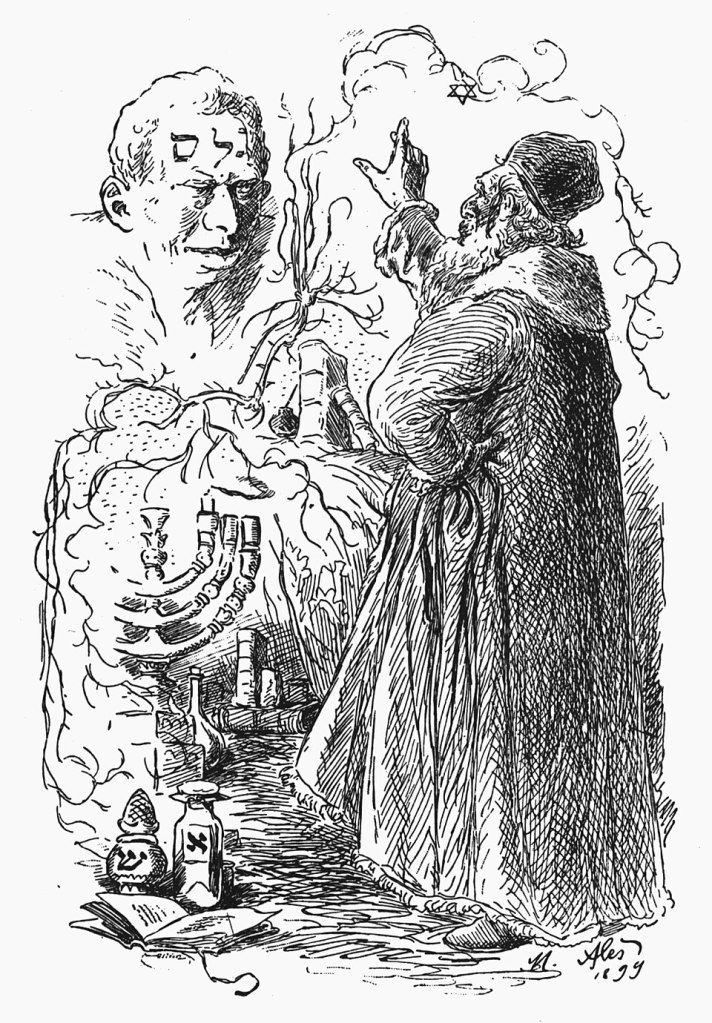
The legend of the golem dates back to the 12th century, and possibly even earlier; the word “golem” comes from Psalm 139:16. This mythical quasi-human creature from Jewish folklore was made from mud or clay and was brought to life through sacred rituals and holy words. The golem never speaks but its intention is to protect a community. However, golems are not always benign; sometimes they can become dangerous. One of the most famous golem stories tells of the 16th-century Rabbi Judah Loew of Prague, who created a golem to protect the people of that city. There have been some famous films and novels that helped to popularize the legend in modern fiction, including Gutav Meyrink’s novel The Golem (1915) and Paul Wegner’s silent film trilogy (1915–1920). And Jacob Grimm of the Grimm brothers published a golem story in 1808, which some literary scholars have said indirectly influenced Mary Shelly’s Frankenstein.
The Russian (born in Lithuania) composer Joseph Achron (1886–1943) almost always took his inspiration for his music from Jewish folklore and legend. He wanted to develop a “Jewish” harmonic and contrapuntal language. He wrote in his essay “On Jewish Music” that any serious Jewish art music had to be “developed by gradual assimilation” and that if Jewish composers were to express their own Jewish experiences musically, the creative product would be “welcome and accepted as an important and integral part of music as a whole.” Achron moved to Germany in the early 1920s and continued to develop his own style. He emigrated to the United States in the mid-1920s, where he remained for the rest of his life.
In 1931, Achron composed incidental music for H. Leivick’s play The Golem, which retells the story of Rabbi Judah Loew. The score was written for trumpet, horn, cello, and piano. He reworked the music for concert performance in 1932. The Golem Suite, in five movements, includes the music depicting the creation of the golem; its rampage around the city after the rabbi has abandoned it; the fatigued wanderer, the moment when the golem realizes that it is on its own; the dance of the phantom spirits, who inhabit a cave where a Christian priest has stored bottles of blood in an attempt to frame the Jewish community for blood libel; and the destruction of the golem. You can listen to the entire suite here: Achron: The Golem Suite. One fascinating thing to listen for: the “golem theme” in the first movement is repeated in retrograde in the last, describing in music how the golem disintegrates and returns to the clay from which it came.
My classical music post for today is Joseph Achron: Golem: IV. Dance of the Phantom Spirits.


Leave a Reply