

Throughout history, myths and legends have brought ancient mysteries and epic sagas to life. This September, the Daily Classical Music Post will explore how composers from different eras and continents have reimagined these stories through the universal language of music.
FAZIL SAY -THE DEATH OF KHAYYAM (HAYYAM’IN ÖLÜMÜ)
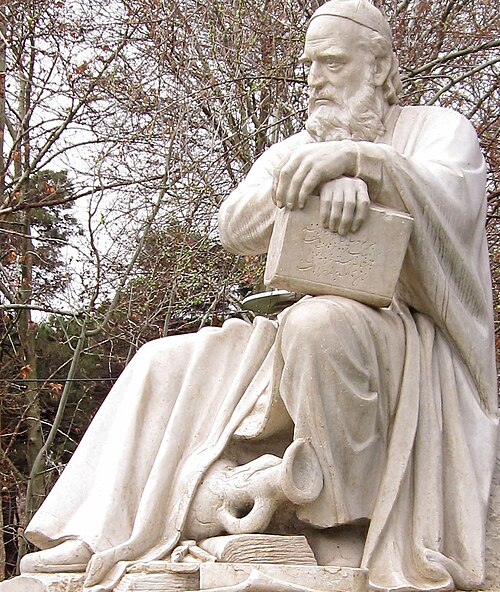
Some historical figures take on an almost reverential legendary status many years after their death. One such figure, the 11th-century Persian polymath Omar Khayyam, was most likely very different from the hedonistic, wine-loving agnostic of legend, as his surviving writings reveal a highly rational intellectual who had strong orthodox Islamic views. It also was historically impossible for him to be schoolboy friends and make a pact with the grand vizier Nizam al-Mulk and the Assassin leader Hassan-i Sabbah, as they were not nearly the same age and could never have been at school together. In addition, Khayyam probably wrote only a fraction of the massive body of poetry ascribed to him. But the 19th-century writer Edward FitzGerald published an English translation of what he said was Khayyam’s poetry, and he included a lot of anonymous poems in the collection, which cemented the legend and lost sight of the real person.
The Turkish composer Fazıl Say (born 1970) has spoken often of his fascination with the legend of Omar Khayyam. He also was charged with blasphemy in Turkey in 2012 for retweeting a quatrain attributed to Khayyam. Following a four-year legal battle, he was acquitted of all charges.
Just before this legal battle, Say was commissioned by the Schleswig-Holstein Musik Festival to write a work for the German clarinetist Sabine Meyer. Say chose Khayyam as the subject for what was his first solo clarinet concert. Khayyam (2011) is in three movements. The movements depict Omar Khayyam’s childhood, adolescence, scholarship, writings, and death.
The third movement, titled “The Death of Khayyam” (Hayyam’ın Ölümü), brings the concerto to a tragic and atmospheric close. Slower, heavier tempos represent the physical decline and exhaustion of an elderly scholar looking back on his life. The solo clarinet plays long, breathy, and melancholic phrases that sound almost like a sigh or a fading breath. Say uses this final movement to weave Khayyam’s life themes back together. There are echoes of his brilliant scientific mind (from the second movement) and the passionate, free-thinking spirit of his youth, all of which dissolve as the music progresses. As in Khayyam’s writings, death is viewed not with terror but as a natural return to the earth. The orchestration thins out, leaving the clarinet to slowly fade into silence, symbolizing a peaceful exit from the world.
My classical music post for today is Fazıl Say: Khayyam: “The Death of Khayyam.”


Leave a Reply