

“Give me your tired, your poor, / Your huddled masses yearning to breathe free.” This poem, which once epitomized the spirit of the United States of America, would appear to no longer be true, with immigrant visa processing for more than 75 countries shut down indefinitely by the current US government. This month, the Daily Classical Music Post will explore and celebrate the traditional and contemporary classical music of 31 of these countries.
Innovation Through Preservation (Live)
Gambian classical music centres on the centuries-old tradition of the jali (griot)—hereditary musicians acting as oral historians, poets, and praise singers. The main instruments that accompany this sung music are the 21-string kora (harp-lute), the balo (xylophone), and the kontingo (lute). This music often features complex polyrhythms and call-and-response patterns, and it is an oral tradition, passed down through generations. Some Gambian musicians are endeavouring to create a notation system to help preserve this beautiful music.
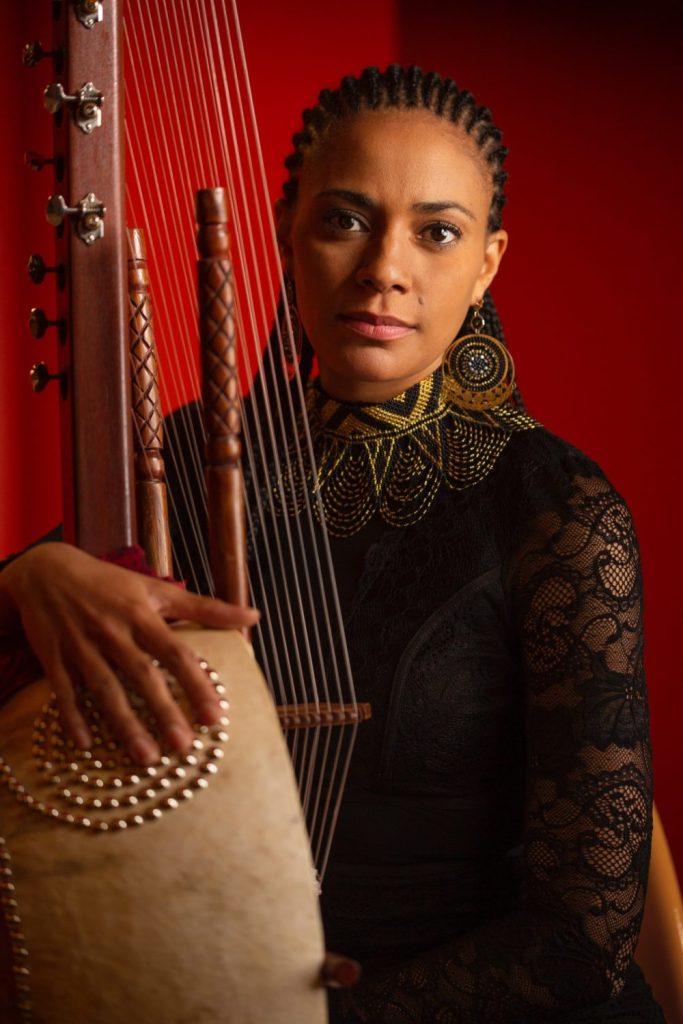
The Gambian kora player and composer Sona Jobarteh (born 1983) is from one of the five principal kora-playing griot families of West Africa. She is the first female professional kora player to come from a griot family. She studied Western classical music in the United Kingdom, playing the cello before switching to composition as a way to focus on combining Gambian traditional music with Western European classical forms. She established the Gambia Academy in 2015 whose mission is “to build a new model of education for Africa—one that actively decolonises our education systems, restores cultural identity, and equips young Africans with the practical skills, critical thinking, and self-determination needed to build their nations. We are rewriting what education means: raising a generation rooted in their culture, confident in their abilities, and empowered to shape Africa’s future from within.”
Jobarteh composed Innovation Through Preservation in 2019 to a commission for Western and African instruments. It received its premiere at London’s South Bank, and a recording was released of that performance. A press release accompanying the recording says, “In a piece featuring African and Western instruments played side by side, and inspired by the royal court tradition of the griots dating back hundreds of years, Sona Jobarteh unfolds the ancient stories of Manding history. This piece integrates West African and European instrumental interpretation; instruments are paired together in likeness in a unique arrangement that explores and challenges the capabilities of the instruments from both traditions.”
My classical music post for today is Sona Jobarteh: Innovation Through Preservation.


Leave a Reply