

“Give me your tired, your poor, / Your huddled masses yearning to breathe free.” This poem, which once epitomized the spirit of the United States of America, would appear to no longer be true, with immigrant visa processing for more than 75 countries shut down indefinitely by the current US government. This month, the Daily Classical Music Post will explore and celebrate the traditional and contemporary classical music of 31 of these countries.
Walkyria (From the Operetta “A Corte na Roça”)
Classical music in Brazil (música erudita brasileira) combines European traditions, African rhythms, and indigenous influences. In the 16th century, the music of the church in Portugal influenced composers, but later composers such as Heitor Villa-Lobos and Alberto Nepomuceno blended folk music and popular dance forms with classical styles.
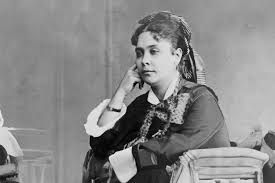
The Brazilian composer Chiquinha Gonzaga (1847–1935) was also the first woman conductor in Brazil. Her works, which included classical pieces as well as popular music, were extremely well received in Brazil during her lifetime. Her operettas featured elements of popular culture, and she also was celebrated for her tangos, polkas, waltzes, choros, and marches. She was quite the character: she divorced her first husband, unheard-of at the time for someone of her education and social standing, and then had a series of relationships before meeting the man she said was the great love of her life; at the time, she was 52 years old and he was only 16. She had to adopt him as her son and move to Portugal; after a few years, they returned to Brazil as husband and wife. They stayed together until the end of her life.
In 1884, she composed the operetta A Corte na Roça (The Court in the Countryside), in one act with a libretto by Palhares Ribeiro. This was the first theatrical musical piece composed by a Brazilian woman and it also marked the beginning of her career as a conductor. The operetta was a commentary on the customs of Brazilian high society. Gonzaga used popular dance music in the score. “Walkyria,” one of the songs from the operetta, became one of her most-loved pieces.
Jay Fenner wrote, “The lyrics featured in the operetta caused a scandal during its opening, however, as the story touched on themes of social and political unrest in Brazil. A select few lyrics in the operetta were censored by police, including the line, ‘Já não há nenhum escravo na fazenda do sinhô,’ which roughly translates to, ‘There are no slaves anymore on the master’s farm,’ explicitly referencing Rio de Janeiro’s history regarding slavery. The scandal following this opening was also emphasized due to Gonzaga being a female composer, as these provocative and abolitionist lines were considered ‘dangerous’ for a woman of the time. However, her ability to write bold lyrics and themes would only heighten her career and increase her popularity within the landscape of Brazilian music.”
My classical music post for today is Chiquinha Gonzaga: A Corte na Roça: “Walkyria.”


Leave a Reply