

Composers leave works unfinished for many different reasons including untimely death, loss of inspiration, perfectionism, and, in some cases, a feeling that the work is already complete despite being technically incomplete. This February, the Daily Classical Music Post will explore unfinished works and find out the ways in which they are performed today, either still incomplete or finished by other composers.
Popol vuh, Op. 44: I. La Noche de los Tiempos
The Argentinian composer Alberto Ginestra (1916–1983) is one of the most significant 20th-century composers of the Americas—yes, not just of South America, or Central America, but of North America as well.
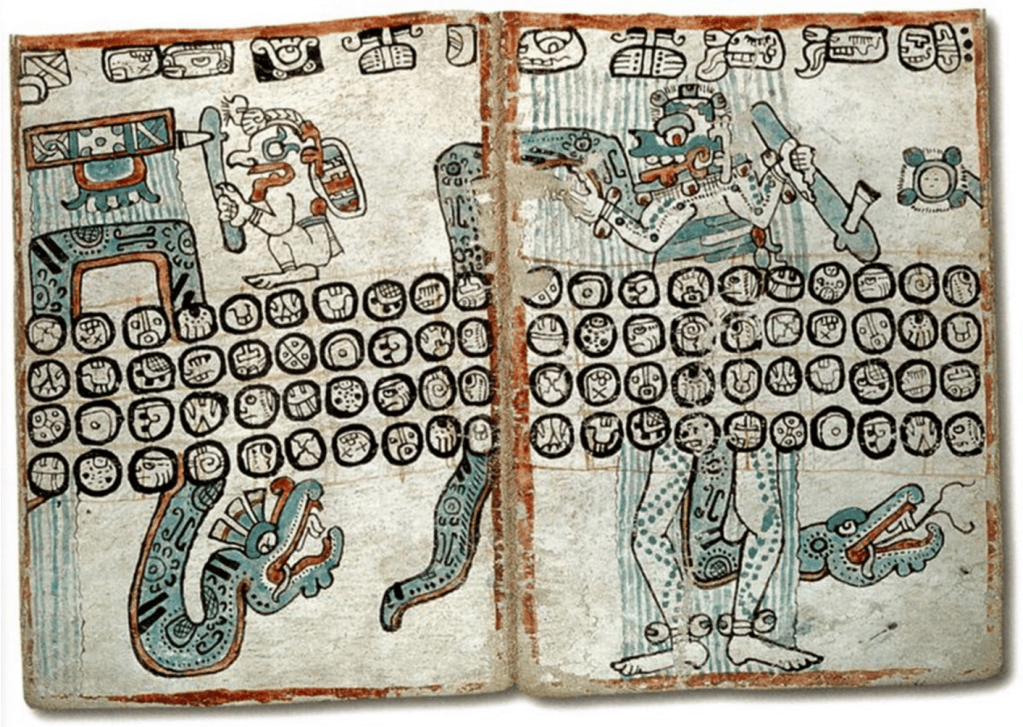
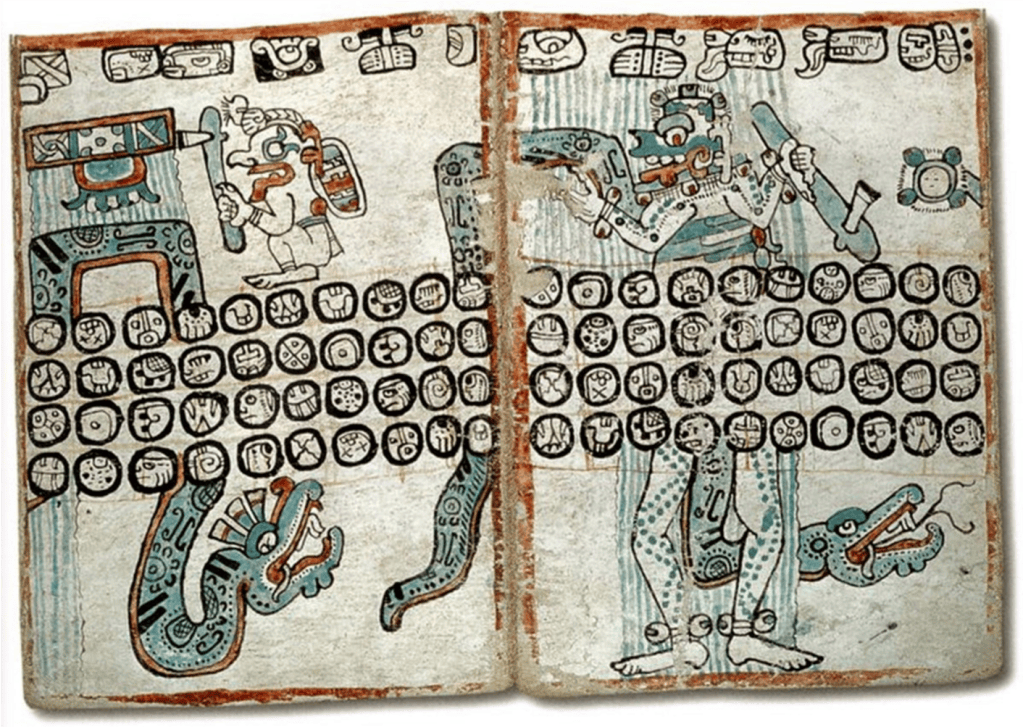
Ginestra began work on Popul Vuh: The Creation of the Mayan World, Op. 44 in 1975, but he had only completed seven movements by the time he died. He had planned an eighth movement, most likely for percussion only, although whether this was to be the final or the penultimate movement is a subject of some debate. Ginestra was inspired by the Mayan creation myth, written down by Father Francisco Ximénez in approximately 1701. Ximénez wrote the manuscript in K’iche’, the language of the Maya who lived in Guatemala, and the book was called “Popul Vuh,” or “Book of the Community.”
The first movement of Popul Vuh fills the listener with a sense of foreboding as well as anticipation. It begins really quietly (you may need to turn up your sound in order to hear it). The notion of an unending night-time (the movement is titled “La noche de los tiempos”) is depicted brilliantly by Ginestra in the orchestration and use of low registers for many of the instruments. There is a brief moment of chaos when the Divine Council creates the world. It is not surprising that Popol Vuh has been described as Ginastera’s Rite of Spring.
Lynn René Bayley wrote, “Later Ginastera is all about tone color as part of the overall impact of the music; that, and the sparser, less obviously rhythmic aspects of the music, take us into a realm far beyond the musical rainforests of Villa-Lobos. Orchestral timbres borrowed from both folk music and jazz musicians bring an altogether darker feel to Popol Vuh, even when the music is quiet and, indeed, quite sparse. The rhythmic outbursts are, if anything, even more jarring than in the earlier works, but the soft passages are even softer, almost forlorn, as in a solo violin passage. . . . As in much of Ginastera’s later pieces, Popol Vuh is built around musical and orchestral effects, less so on melodic structures and continuity.”
My classical music post for today is Alberto Ginestra: Popul Vuh: The Creation of the Mayan World: “La noche de los tiempos.”


Leave a Reply