

December is a month for reflection, a time to look back on the past year before looking ahead to the new one. In 2025, there was so much great music to share that I wasn’t able to fit all of it in! So this December, the Daily Classical Music Post will revisit the theme for each month and share a few of the works that didn’t make the cut.
Scene Three from Mark Campbell and Mason Bates’ ‘The (R)evolution of Steve Jobs’
[May 2025: The first day of May is International Workers’ Day. Workers and the labour movements are celebrated worldwide on this day. This May, the Daily Classical Music Post will honour and commemorate the struggles, achievements, rights, and gains of workers through music.]
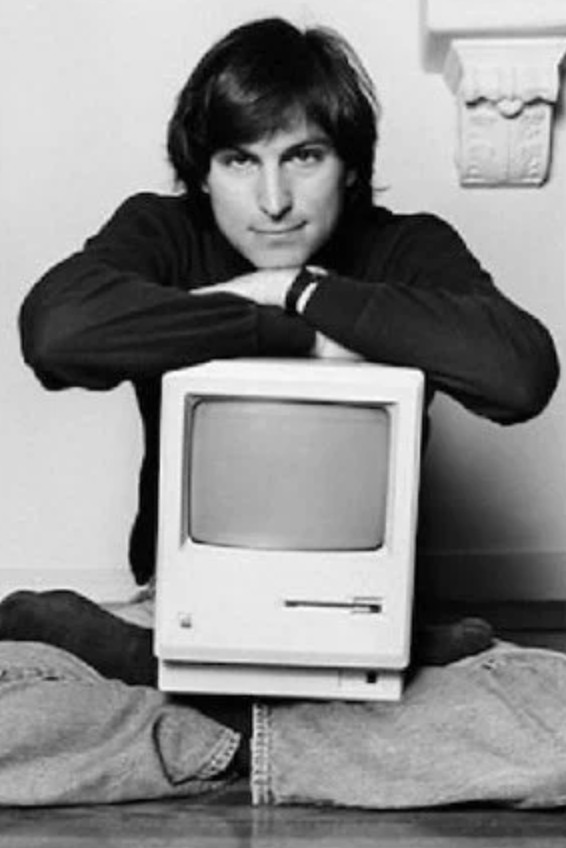
The American composer Mason Bates (born 1977) was commissioned by Santa Fe Opera, Seattle Opera, San Francisco Opera, and the Jacobs School of Music at Indiana University to compose an opera based on the life of Steve Jobs, the co-founder of Apple. The opera is set at the end of Jobs’ life when he looks back at what he has achieved and recalls the events that shaped his life. The libretto to The (R)evolution of Steve Jobs, completed and premiered by Santa Fe Opera in 2017, was by Mark Campbell.
Matthew Van Vleet wrote, “In Zen Buddhism, ensō is a circular figure drawn in one or two unbroken brushstrokes as part of one’s spiritual practice. The ensō symbolizes many things, including the universe, enlightenment, and simplicity. The ritual of drawing one each day is a means of unifying the mind and body in an act of creation. Veteran librettist Mark Campbell and first-time opera composer Mason Bates find inspiration for The (R)evolution of Steve Jobs in the ensō and Zen in general.” The beginning and end of the opera are set in the same place, the Jobs’ garage in Cupertino, where it all began. In between, Jobs goes on a spiritual journey, changing and evolving.
Laura Stanfield Prichard wrote, “This one act, engaging, mostly tonal, English-language opera is a dreamlike series of twenty scenes based on the life of innovator and entrepreneur Steve Jobs (1955–2011). It seamlessly blends technology, traditional operatic voices, and a full orchestra enhanced by the presence of the composer himself playing live electronics. . . . In the third, seventh, and thirteen scenes Jobs encounters the spirit of Kōbun Chino on meditative walks as they discuss process, learning from mistakes, simplicity, destiny, and life paths: ‘You can’t connect the dots going forward. You can only connect them going backward’. ”
My classical music post for today is Mason Bates: The (R)evolution of Steve Jobs: Scene Three.


Leave a Reply