

Ask people what genre they think film music is—is it classical? You will get widely varying responses. For some people, film music is a subgenre of classical music; for others, it is a completely separate genre that stands on its own. This June, the Daily Classical Music Post will look at the origins of film music and discover how it has evolved.
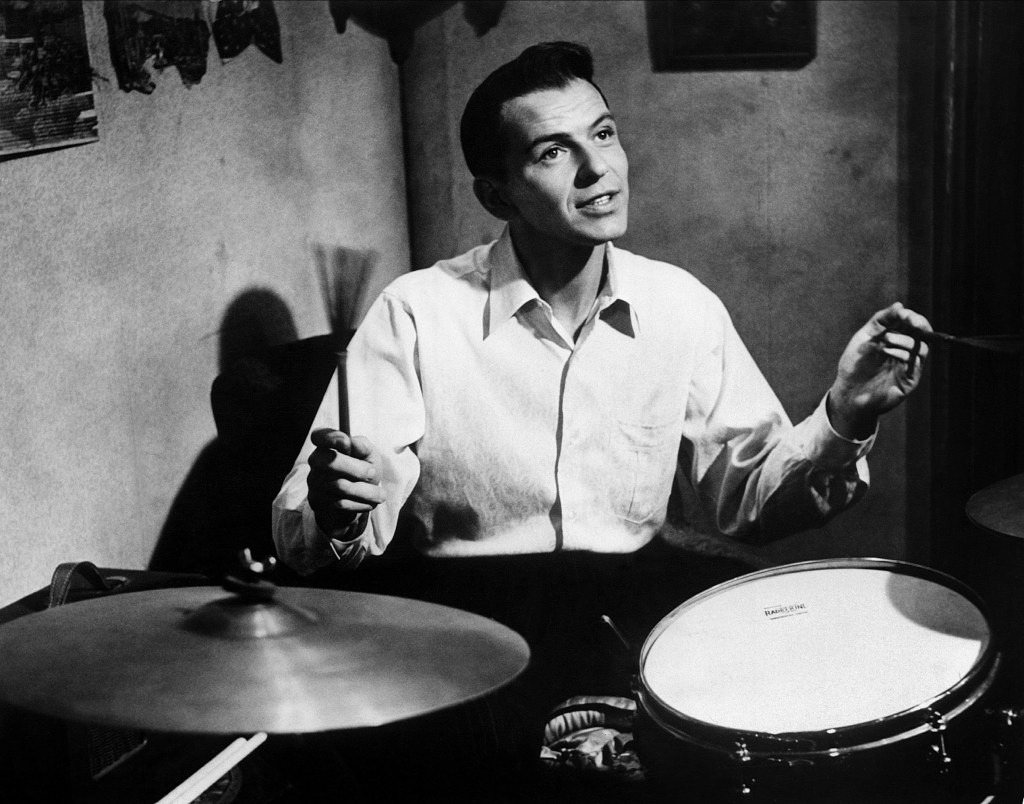
The Man With The Golden Arm – Frankie Machine
Although jazz had made its way into film scores by way of Alex North’s A Streetcar Named Desire in 1951 (as we saw earlier this month), the score that really changed everything was the one for The Man With the Golden Arm (1955), by the American composer Elmer Bernstein (1922–2004).
Bernstein was a Juilliard-trained composer; he studied with Aaron Copland, Roger Sessions, and Stefan Wolpe; and he also was a concert pianist. His oeuvre includes orchestral suites, song cycles, chamber music, and other classical compositions. He also was a fan of jazz and the blues, and said in an interview that in addition to classical composers, he was influenced by musicians including Benny Goodman, Count Basie, Duke Ellington, and Jimmie Lunceford. His unforgettable scores range from iconic films such as The Ten Commandments to Westerns like The Magnificent Seven to war movies like The Great Escape. But perhaps his most influential score was the one for The Man With the Golden Arm.
Craig Lysy wrote, “Bernstein convinced Preminger that a contemporaneous score with a strong jazz vibe was needed to speak to the seedy nightlife of Chicago’s North end. Preminger bought the concept and asked the 33-year-old Elmer Bernstein to immerse the audience in Frankie’s nightlife world as a musician. To bring his vision to fruition Bernstein infused his syncopated jazz soundscape with alto, tenor and baritone saxophones, brought in renowned soloists Shelly Manne on drums, and Shorty Rogers and Pete Candoli on trumpets. Bernstein also revealed wisdom beyond his years by granting these gifted players significant latitude in expressing his music, even allowing Rogers to assist with the arrangements.” Bernstein wrote the score in three weeks, spending hours on the set to get inspiration.
Douglas Van Hollen wrote, “The music, from the radiant intellect of Elmer Bernstein, is a sophisticated and violent interweaving of symphony and big band, high art and ‘low’ art battling against each other like addiction and willpower. Just like in ‘Peter and the Wolf,’ the four main characters appear in the score as leitmotifs from specific instruments.” Frankie is, of course, a drum set; Zosh is a cello; Molly is a flute; and Louie is piano and organ. The themes for each of these characters are instantly recognizable. And of course Frankie’s theme opens the film, with the high-hat pattern setting the tone.
My classical music post for today is Elmer Bernstein’s The Man With the Golden Arm: “Frankie Machine.”


Leave a Reply