

The first day of May is International Workers’ Day. Workers and the labour movements are celebrated worldwide on this day. This May, the Daily Classical Music Post will honour and commemorate the struggles, achievements, rights, and gains of workers through music.
Ginastera – Estancia Suite (Gustavo Dudamel, Sinfónica Simón Bolívar Orchestra) | Lucerne (6/7)
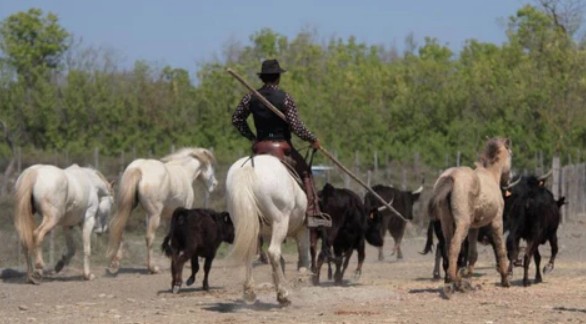
In 1872, the Argentine writer José Hernández wrote the first part of his epic poem El Gaucho Martín Fierro, which celebrated the gauchos and their contribution to Argentine life. Gauchos were skilled horsemen, experienced in handling livestock, not too different from the U.S. cowboy, and as the cowboy was celebrated in legend and folklore, so too was the gaucho. The gauchos were romanticized but many people also understood that their occupation was a difficult one and they suffered from many injustices and hardships. In Argentina, gauchos were required to carry documents proving that they had employment, and as most of them were mestizos, they were discriminated against as well.
In 1941, the Argentine composer Alberto Ginastera (1916–1983) began work on his ballet Estancia, which he modelled to some extent on Aaron Copland’s work, particularly Billy the Kid. Susan Key wrote, “The plot of Ginastera’s ballet does not follow Fierro’s full poetic journey; rather, the composer incorporated lines that express the varied episodes in a gaucho’s life throughout a single day. The primary plot element concerns the romance of a city boy who falls in love with a country girl and overcomes her skepticism by proving his skills as a horseman and dancer.”
Although the ballet was not performed in its entirety until 1952, Ginastera took four dances from the score and combined them into the Estancia Suite. The suite received its premiere in Buenos Aires in 1943 and was immediately popular. Marianne Williams Tobias wrote, “Los Trabajadores agricolas (Agricultural workers) comes from the “morning section” of the ballet, which traces the life of a gaucho through an average day. . . . Danza del trigo (Wheat Dance) presents a gentle interlude, featuring an opening melody performed by flute. . . . Los Peones de hacienda (the Cattlemen): Ginastera takes us back to the brash first dance. . . . Danza final (Final Dance) finds us back to the malambo now featured in a ferocious dance contest between the gauchos.”
My classical music post for today is Alberto Ginastera’s Estancia Suite.


Leave a Reply