

Composers dedicate pieces of music to others for many reasons. Sometimes it is a way to thank or honour a mentor or patron. Sometimes it is to express friendship or love interest. Maybe the composer wants to remember someone close to them who has died. And maybe it’s just to celebrate a favourite place or event. This September, the Daily Classical Music Post is introducing you to a selection of works with dedications.
Arthur Rubinstein – Chopin – Piano Concerto No 2 in F minor, Op 21
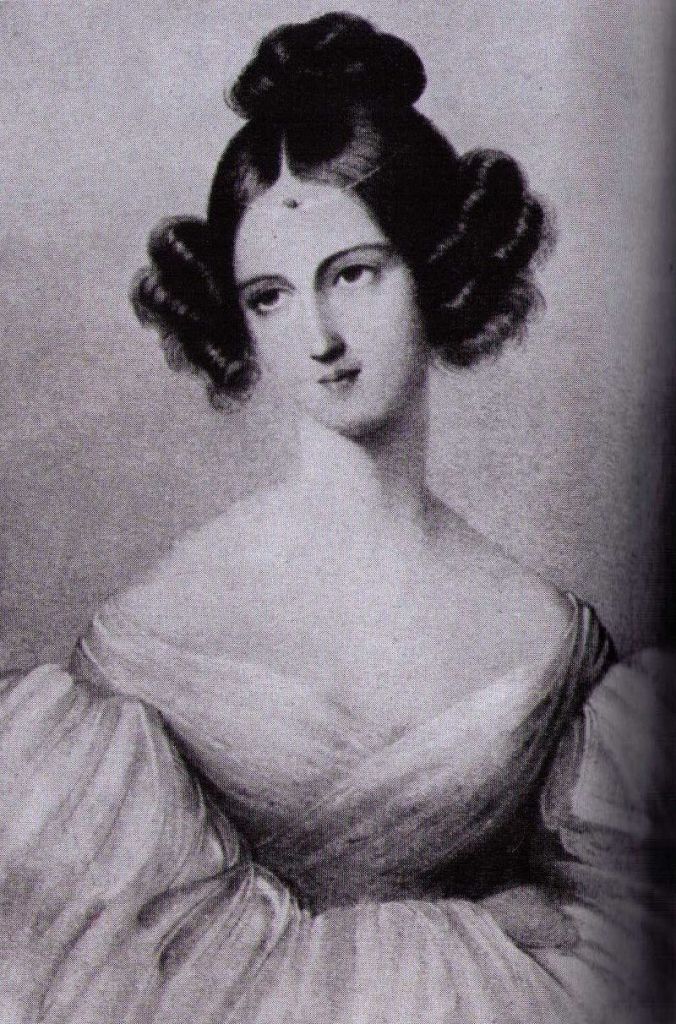
The relationship between the Polish composer Frédéric Chopin (1810–1849) and the French writer George Sand is pretty well known, but Chopin actually fell for several women (and possibly men as well) in his short life. Some were students of his. One of the more interesting of these was the Countess Delfina Potocka.
In the 1940s, a researcher claimed to have discovered erotic correspondence between Chopin and Potocka, who was a few years older than the composer. Although the letters were later proved to be forgeries, it is true that Chopin was extremely taken with the woman he referred to as “Mrs. Potocka, that pretty wife of Mieczysław.” Chopin wrote his famous “Minute Waltz” (the Waltz in D-flat Major, Op. 64) for Potocka, and he dedicated the Piano Concerto in F minor, Op. 21, the Prelude in A Major, Op. 28 No. 7, and Mélodie on a poem by Zygmunt Krasiński to her as well.
Programme notes for a performance of the Piano Concerto in F minor said, “The F-Minor Concerto, although listed as No. 2, was the first composed but the second to be published. As was so often the case with composers in the Romantic era, the inspiration for the concerto came as a response to unrequited love. The object of his ardor was a voice student at the Warsaw Conservatory. But by the time the concerto was published six years later, he had long forgotten her and dedicated it instead to his pupil, Countess Delphine Potocka, a gifted singer and close friend.” Kevin Bazzana said, “What makes Chopin’s Op. 21 an early-Romantic concerto par excellence is the dominance of the piano part. After introducing the first movement, the orchestra cedes all responsibility for musical development to the piano; there is none of the true interplay of forces that is the mainstay of the classical concerto. The idea that Chopin is a poor orchestrator is an oft-flogged dead horse of music criticism; Berlioz; himself a master orchestrator, was harsh in his appraisal, calling Chopin’s treatment ‘nothing but a cold and useless accompaniment.’ Again, the criticism seems moot. If Chopin treated the orchestra merely as a platter on which to serve the piano, it was because the genre demanded it. Showing off the soloist was the whole point.”
My classical music post for today is Frédéric Chopin’s Piano Concerto in F minor.


Leave a Reply