

This July, the DCMP will share some previous posts that you might have missed or would just like to hear again! A new theme begins in August.
Published March 5, 2018
Throughout the history of music, women composers have been discouraged, sidelined, and ignored; looking at the 2018-2019 programs of some of the major U.S. symphony orchestras, it would seem that nothing has changed! But the Daily Classical Music Post will celebrate women composers throughout March and will introduce you to some of the most wonderful music ever composed–and, yes, it will all be by women composers!
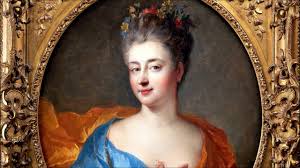
Élisabeth Jacquet de La Guerre (1665–1729) – Harpischord Suites 1-6 [Elisabeth Farr] [1/2]
The French composer Élisabeth Jacquet de La Guerre (17 March 1665–27 June 1729) was a child prodigy, born into a family of musicians and instrument makers. Unlike many of her contemporaries, she was encouraged to compose and perform (her main instrument was the harpsichord). She married the organist Marin de la Guerre in 1864, and spent the rest of her life teaching, composing, and performing.
In his biographical chronicle of the most famous French poets and musicians of the 18th century, Évrard Titon du Tillet placed her next to lalande and Marais, right below Lully! That is how acclaimed and respected she was. Other writers described her as “the marvel of our century”; she even gained the patronage of Louis XIV, who supported her financially and encouraged her.
Jacquet de La Guerre did not only compose for the harpsichord; she also composed vocal music, sonatas for string instruments, ballets, and operas. It is in her harpsichord works that her true brilliance can really be heard and appreciated.
My classical music post for today is Élisabeth Jacquet de La Guerre’s Harpsichord Suites Nos. 1, 2, and 3.


Leave a Reply