

This June, the Daily Classical Music Post celebrates Pride Month by listening to music written by LGBTQIA+ composers throughout history.
Airs à quatre parties: Doux objets de mes sens
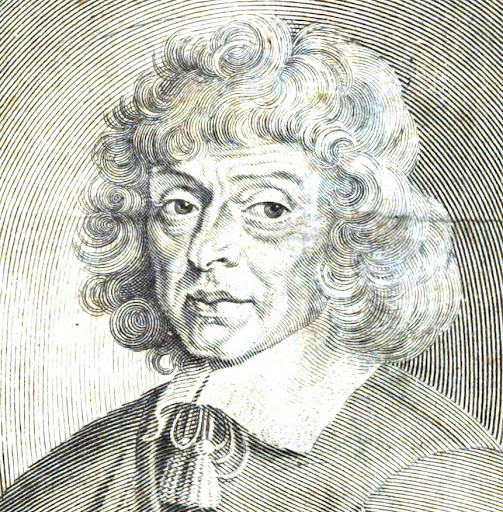
The French composer Charles Coypeau (1605–1677), also known as Charles Coypeau D’Assouci or Dassoucy was one of the group of French “free spirits” (libertins) who wrote in the burlesque style; they were known for their hedonistic lifestyle, poems that were fills with puns and erotic allusions, and works that treated mythological or historical subjects in a comic rather than heroic manner. One of Dassoucy’s closest friends (for a while, anyway) was Cyrano de Bergerac, and it has been suggested by more than one writer that Dassoucy and de Bergerac were lovers.
Dassoucy was active as a performer as well as composer. His main output was airs and incidental music for plays, but he also composed Les Amours d’Apollon et de Daphné, which was the first comédie en musique, foreshadowing the French-language operas that Jean-Baptiste Lully would later write.
Marco Horvat said, “I have been hoping for years that a musicologist would find even just a few pieces by the fantastical character that was Charles Coypeau Dassoucy. Poet, traveler, novelist, friend of Molière, friend then enemy of Chapelle and Cyrano, he was also a lutenist, theorbist—one of the first to play this instrument in France – and a composer. Only his ‘Airs à quatre parts’ from 1653 had reached us but . . . without their ‘top’ part. It was Frédéric Michel who was the first to spot the missing part two years ago, and who pointed out to us the existence—let him be solemnly thanked here! . . . The music of Charles Dassoucy can finally resonate in our ears and it is only fair, because our man has long waited for posterity to pay him the musical tribute he deserves.”
My classical music post for today is Charles Coypeau Dassoucy’s “Doux objets de mes sens.”


Leave a Reply