

Chamber music, sometimes described as “the music of friends,” is generally used to refer to music composed for a small group of instruments or voices, with one performer to a part. The intimacy of chamber music makes it a perfect genre for compositions marking important events or for unusual combinations of instruments. This April, the Daily Classical Music Post will introduce you to some of these very special works.
The Cries of London, Part 1 (MB 22 No. 67i)
Orlando Gibbons (1583–1625) was an English composer, virginalist, and organist of the late Tudor and early Jacobean periods. He was one of the leading composers in England at that time. Although he died quite young (he was just 41), he composed a large quantity of music, for keyboards, viols, church music, and many madrigals.
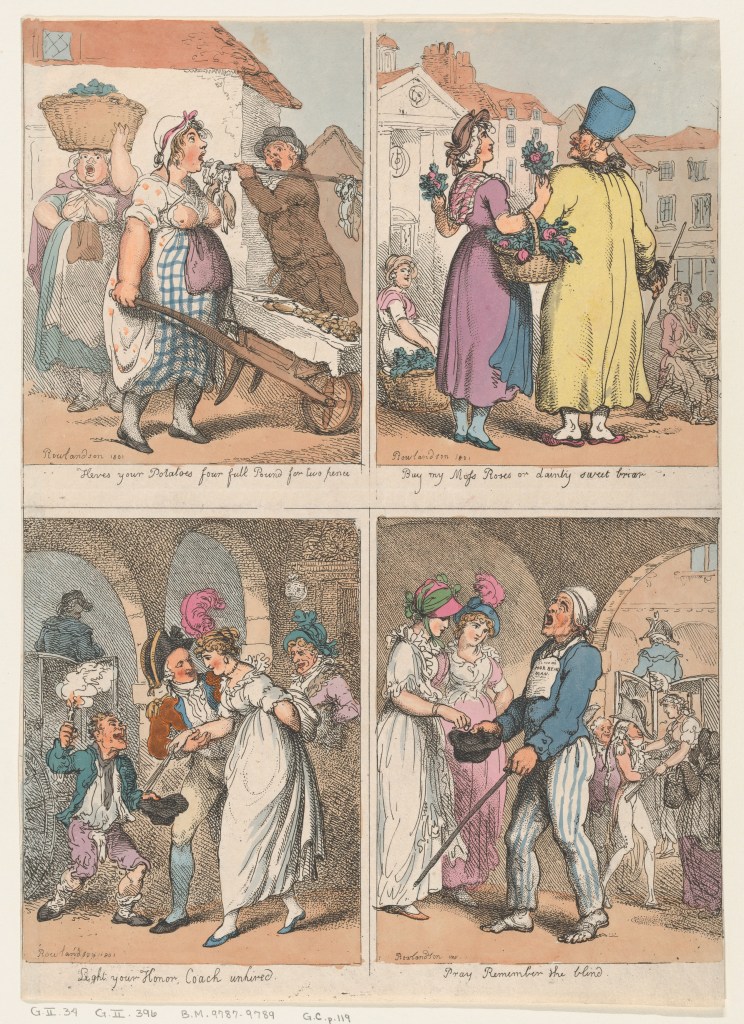
In 16th-century London, the cries of the street vendor, offering food, services such as knife grinding, rat-killing, and chimney sweeping, or even merely calling attention to lost belongings, were part of everyday life. Gibbons’s attempt to collect this everyday ephemera into a musical setting, The Cries of London, for one-to-a-part SATTB choir and viol consort, was not a one-off stroke of genius but part of a small repertoire of such pieces produced within a rather specific time frame, namely, 1605 to 1615.
An interesting point to note is that the viol consort music is based on the “In Nomine” (Gibbons actually called it a “Fantasia on In Nomine”), the start of the Benedictus from John Taverner’s Missa Gloria Tibi Trinitas. The “In Nomine” was a popular instrumental work, and many 16th- and 17th-century composers wrote for viol consort and other combinations based on it. Audiences of the day would have appreciated the juxtaposition of this sacred music with the voices, which are humorous and completely secular. Todd McComb says, “[Gibbons’s] strongly evocative ‘Cries of London’ is one of the most peculiar and strangely effective consort songs of the period.”
My classical music post for today is Orlando Gibbons’s The Cries of London: Part I.


Leave a Reply