

The entertainment industry loves biopics. It doesn’t really matter if the details are exaggerated or just plain untrue: all that matters is telling a good story! Biopics about classical music composers and musicians can range from the mostly factual to out-and-out fanciful. This March, the Daily Classical Music Post will look at some of these films.
Grieg – Violin sonata n°2 – Oistrakh / Yampolsky
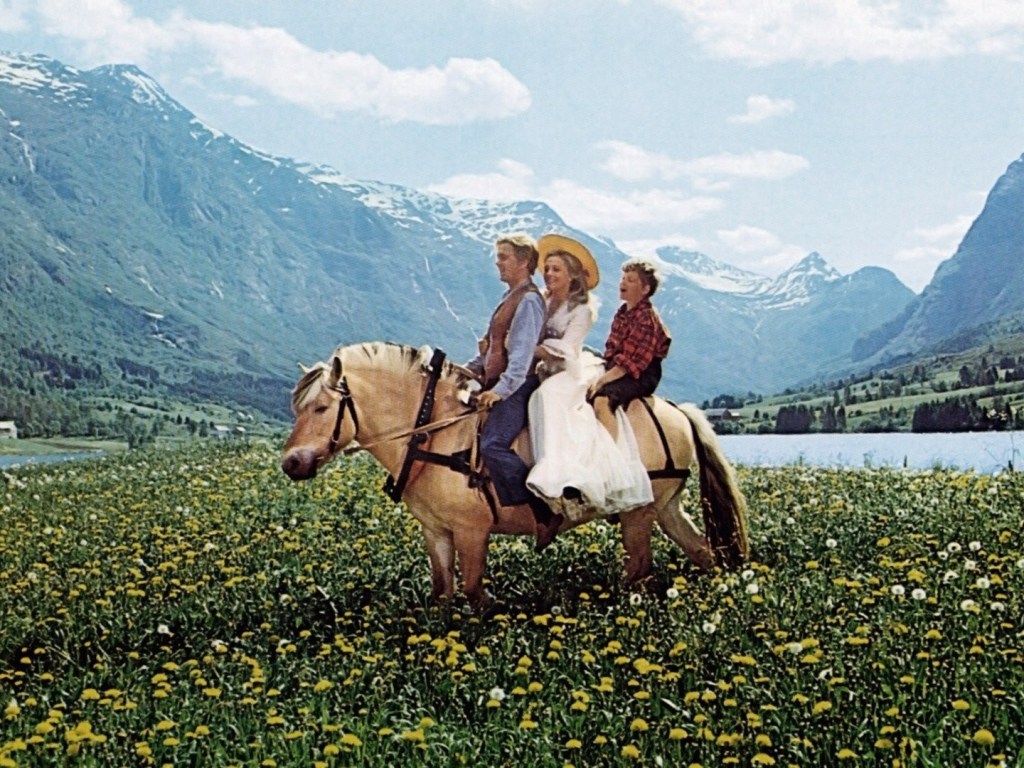
Sometimes it really doesn’t matter if you have an all-star cast, lovely music, and beautiful scenery; if the movie doesn’t appeal to critics or to moviegoers, you are really out of luck. Song of Norway (1970), “based on” the life of the great Norwegian composer Edvard Grieg (1843–1907), was an absolute disaster. The producers and director thought that audiences would love something like The Sound of Music, but wow, were they wrong! The critic Pauline Kael, never one to mince words, wrote in The New Yorker, “The movie is of an unbelievable badness; it brings back clichés you didn’t know you knew—they’re practically from the unconscious of moviegoers.”
Song of Norway originally was a somewhat successful Broadway operetta about Grieg’s struggles to have the Norwegian classical music establishment recognise his music. However, the film was actually only loosely based on the stage production. I’m going to say that it was a mistake to make major changes. And although some of the music in the film is actual Grieg music (including excerpts from “In the Hall of the Mountain King,” the Sonata for Violin and Piano No. 2, and the Piano Concerto in A minor), the bulk of it is “Music by Edvard Grieg, Music Adaptation and Lyrics by George Forrest and Robert Wright.” I’m pretty sure I don’t need to say any more about that.
Toralv Maurstad, a well-known Norwegian star of stage and screen at the time, had the unenviable task of playing Grieg, and this ended up being his only American film. Also in the cast was Florence Henderson (pre–Brady Bunch), who played Grieg’s first cousin and wife (yes, you did read that correctly) Nina, and Edward G. Robinson as a wholly-invented pianist named Mr. Krogstad. I guess they had to figure out how to put Robinson in the film. His main contribution is writing a letter to Franz Liszt on Grieg’s behalf. The Welsh actor Harry Secombe fills out the international cast as the Nobel Prize–winning writer Bjørnstjerne Bjørnson. Secombe apparently said later, “It’s the kind of film you take your children to see . . . and leave them there.” I’ll leave the last word to Kathleen Carroll, who said in the New York Daily News, “Edvard Grieg may well have had his struggles as a young composer but he’d have to sit through the movie based on his life to know real depression.”
My classical music post for today is Edvard Grieg’s Sonata for Violin and Piano No. 2.


Leave a Reply