

Mary Jane Leach: Dowland’s Tears
In September 2023, North Carolina classical radio station WCPE created an uproar when the music director announced that they would ban broadcasts of several operas being performed by the Metropolitan Opera. It didn’t take many weeks for that decision to be reversed. Sometimes, however, it takes years or even generations for composers and music that has been banned to be heard. This November, the Daily Classical Music Post has looked at some music that was banned for a wide variety of reasons.
Mary Jane Leach — Dowland’s Tears
My post a few days ago was about a composer whose music was suppressed because of the provocative titles that he used. My final post on musicians and music that was banned is about the composer who presented a programme on his music and was herself suppressed.
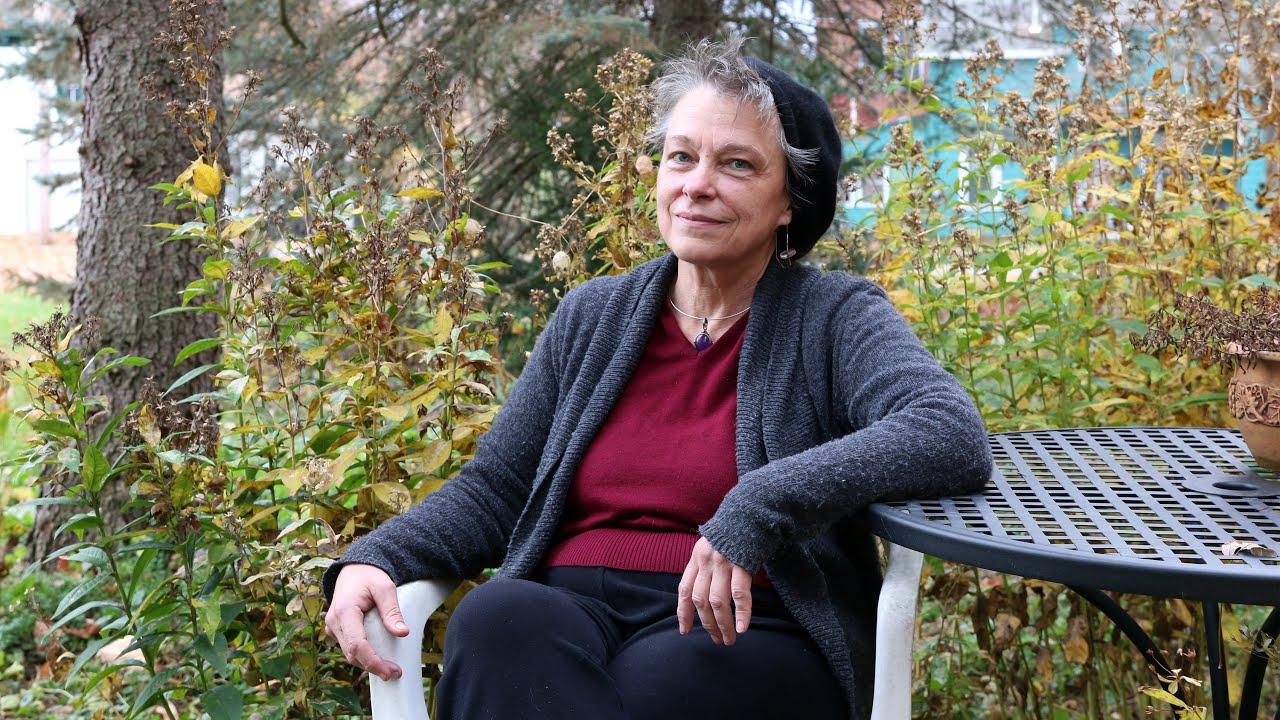
The American composer Mary Jane Leach (born 1949) was a friend and colleague of Julius Eastman, and she also is the co-editor of a biography of Eastman. She was invited to present a talk at the OBEY music convention in 2019 on Eastman and also present some of her music. In her talk, she made the decision to call Eastman’s works by the names that he gave them. She actually began her talk with a recording of Eastman introducing a concert of his work, and he said in that recording that he knew he was being provocative with his titles, but he was doing this on purpose and intentionally. Leach was very careful to only say the provocative and offensive words when she mentioned the titles of the particular Eastman works.
The concert of Leach’s works was to be the final one of the weekend. However, the organizers announced not long after her talk on Eastman that they were cancelling the performance. Kurt Gottschalk said, “[Leach] had driven some 13 hours to be there, bringing recordings of hers and Eastman’s work and copies of her book. As a result of the decision to cancel her concert, the festival directors pre-empted the opportunity for attendees (some of whom had also been at the afternoon talk) to hear and learn about her music. The festival directors also removed her books and recordings from the festival merchandise table, blocking an opportunity for attendees to hear and learn more about Eastman as well.”
Gottschalk went on to say, “Canceling Leach’s appearance was meant to support the festival’s claim that Leach was in the wrong for calling the compositions by their titles. But canceling the concert also was a direct act of recourse against a 70-year-old composer who, one can only assume, has been marginalized over the course of her career by virtue of her gender. The OBEY Convention not only effectively labeled her as a racist, but silenced her artistic voice.”
The concert of Leach’s music was meant to include her work Dowland’s Tears (2011), which was composed for 10 flutes (seven C flutes and three bass flutes). Molly Sheridan said, “Multiples pieces (works scored for an ensemble consisting exclusively of the same instrument or for a soloist performing along with previously recorded multitracks of him- or herself) form a considerable percentage of Leach’s compositional output.” Leach said that this work was inspired by John Dowland’s Lachrymae: “While working at a summer equity Shakespeare festival doing theater, since I was a musical person, I would be asked to play Elizabethan music. So I got into music through that, which is why it was so interesting for me to do Dowland’s Tears, because Dowland was one of my gateway composers, besides Bach.” Leach’s emphasis on the physicality of sound and how it interacts with acoustics in space is evident in this beautiful and calming work.
My classical music post for today is Mary Jane Leach’s Dowland’s Tears.


Leave a Reply