

Nikolai Rimsky-Korsakov: “Hymn to the Sun” from The Golden Cockerel
In September 2023, North Carolina classical radio station WCPE created an uproar when the music director announced that they would ban broadcasts of several operas being performed by the Metropolitan Opera. It didn’t take many weeks for that decision to be reversed. Sometimes, however, it takes years or even generations for composers and music that has been banned to be heard. This November, the Daily Classical Music Post will look at some music that was banned for a wide variety of reasons.
Rimsky-Korsakov: The Golden Cockerel – Hymn to the Sun
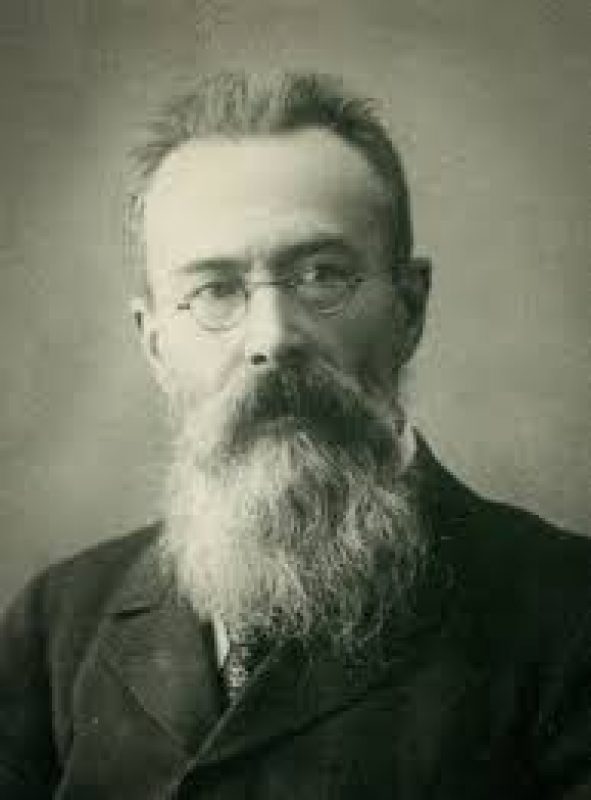
The Russian composer Nikolai Rimsky-Korsakov (1844–1908) was an acknowledged master of orchestration, and many of his compositions are standards in the classical music repertoire. His music incorporates Russian folk music as well as historical stories and tales, which made him very popular with audiences in his lifetime. However, as with many artists throughout history who questioned authoritarianism, Rimsky-Korsakov angered the ruler, in this case Tsar Nicholas II. In 1905, Rimsky-Korsakov was dismissed from his post at St Petersburg Conservatory, and performances of his works were banned throughout Russia. A loud outcry from students and other professors ensued, and he got his post back and the ban was lifted.
However, one work of his, the opera The Golden Cockerel (composed in 1908), was too controversial, and the Russian censors refused to allow it to be performed. The original text, Alexander Pushkin’s take on a story by Washington Irving, wasn’t actually political at all, but somehow Rimsky-Korsakov managed to turn the opera into a statement on Tsar Nicholas II and his disastrous decision to wage war against Japan in 1904. Because of the ban, Rimsky-Korsakov never saw The Golden Cockerel performed; it finally was premiered in 1909, after he died.
There have been a few productions of this opera mounted in the West in the past couple of years. Jane Shuttleworth said in a review of the English Touring Opera’s production in 2022, “While I’m greatly looking forward to both the musical and political content of this production though, it’s also reminding me how lucky we are because we can fearlessly mock the utter stupidity and banal cruelty of Putin and his army from our comfortable Western armchairs. While I’m at the Gala Theatre next week watching English Touring Opera, I’ll also be remembering my Russian friends, knowing that there is no way they would be allowed to see something like this at the moment.”
The opera is about a king (a symbol of Tsar Nicholas II) who wages war against an enemy after taking advice (and a cockerel) from an astrologer (a symbol of reason and intelligence). The cockerel (a symbol of the tsar’s arbitrary and bad decisions) crows a warning when there is danger. The war does not go well. The enemy queen sings a “Hymn to the Sun” and then seduces the king and returns to his land with him, ostensibly to marry him. However, things go wrong on the king’s wedding day; the king kills the astrologer and then himself is killed by the cockerel. After the cockerel and the queen disappear, the astrologer reappears and reveals that only he and the queen were real.
My classical music post for today is Nikolai Rimsky-Korsakov’s “Hymn to the Sun” from The Golden Cockerel.


Leave a Reply