

Paul Hindemith: Mathis der Maler
In September 2023, North Carolina classical radio station WCPE created an uproar when the music director announced that they would ban broadcasts of several operas being performed by the Metropolitan Opera. It didn’t take many weeks for that decision to be reversed. Sometimes, however, it takes years or even generations for composers and music that has been banned to be heard. This November, the Daily Classical Music Post will look at some music that was banned for a wide variety of reasons.
𝐏𝐚𝐮𝐥 𝐇𝐢𝐧𝐝𝐞𝐦𝐢𝐭𝐡 • 𝐒𝐲𝐦𝐩𝐡𝐨𝐧𝐢𝐞 𝐌𝐚𝐭𝐡𝐢𝐬 𝐃𝐞𝐫 𝐌𝐚𝐥𝐞𝐫
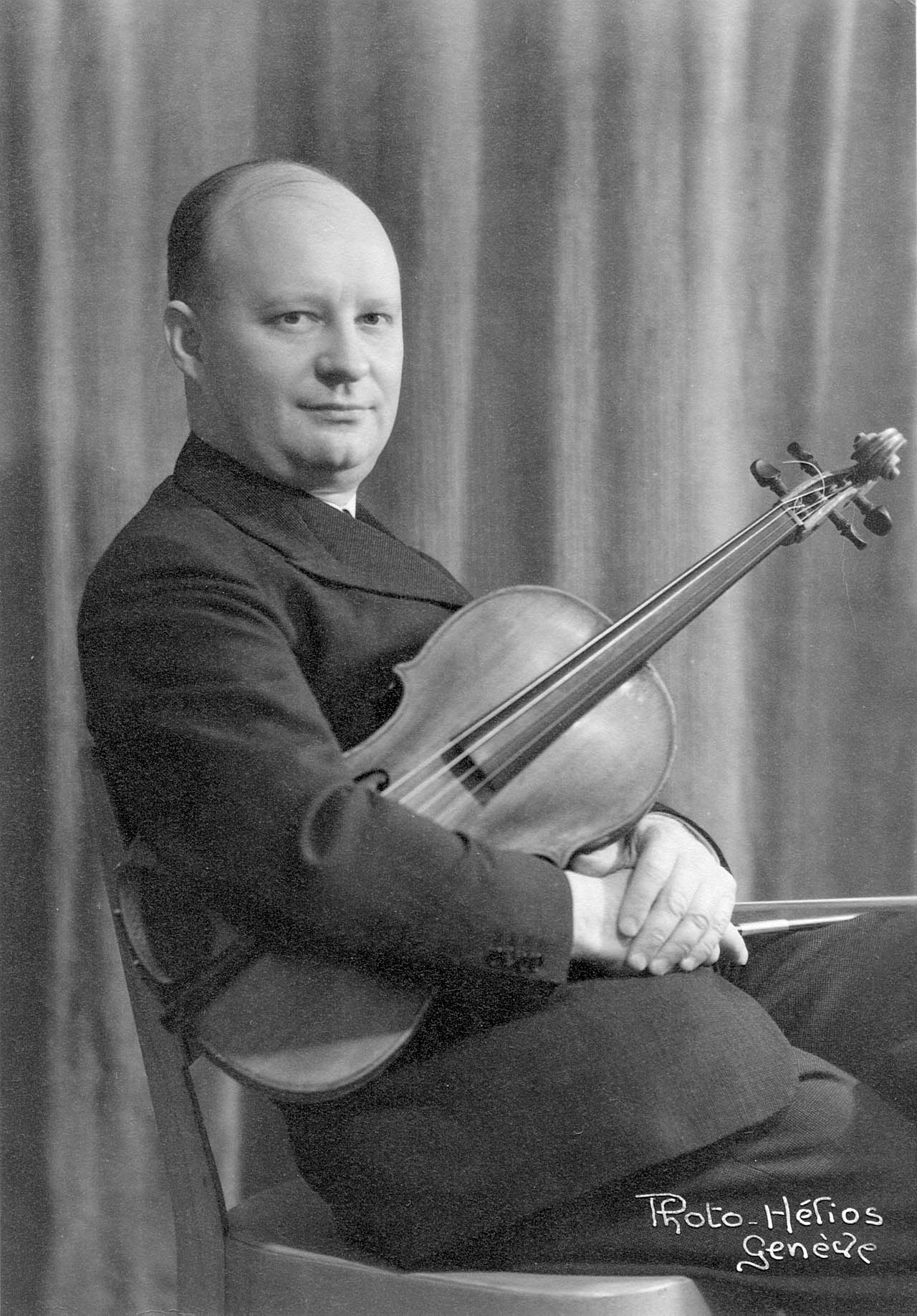
The German composer Paul Hindemith (1895–1963) was a giant in the development of a more modern, freer style of 12-tone music, while incorporating aspects of Baroque and Classical styles. His early works were more Romantic; some people say he was a neoclassical composer, but his musical language is significantly different to that of, for example, Igor Stravinsky. Hindemith’s music is more contrapuntal, that is, it has at least two or more independent melodic lines that interact in a harmonious way.
One of Hindemith’s most famous orchestral works—and perhaps one of his most popular—is Mathis der Maler. This symphony, composed in 1934, was later reworked by Hindemith for his opera Mathis der Maler, based on the life of Mathis Grünewald, a German Renaissance painter. The three movements are named for a tableau that Grünewald had painted for the Isenheim Altarpiece: Engelkonzert, Grablegung, and Versuchung des heiligen Antonius.
Marie H. Sirois said, “In the 1930s, the then foremost German composer, Paul Hindemith, found himself torn between three forces: the instigations of the Nazi government to write music towards the glorification of the Third Reich, the urging of his friends and colleagues to use his influence and speak up against the devilish developments in German politics, and his own wish to live exclusively for his art, to compose, perform and teach.” Hindemith became increasingly alarmed at the treatment of Jews (including his wife) in Germany, and he decided to compose a work that would highlight the struggle of an artist in the face of evil.
The premiere of the symphony was triumphant, but less than a month later, the German government banned any more performances. The conductor Wilhelm Furtwängler tried to argue Hindemith’s case, but, as Sirois said, “Later that year Furtwängler, pleading Hindemith’s case in a Berlin newspaper article, succeeded only in convincing the Nazi leadership that Hindemith was, as propaganda minister Goebbels put it in a December 1934 speech, ‘drastic confirmation of how deeply the Jewish intellectual infection has eaten into the body of our own people’.” This ban hastened Hindemith’s desire to leave Germany, and he left in 1938, eventually settling in the United States in 1940.
My classical music post for today is Paul Hindemith’s Mathis der Maler.


Leave a Reply