

Samuel Wesley: The Christmas Carol, Varied as a Rondo, for the Piano Forte
In September 2023, North Carolina classical radio station WCPE created an uproar when the music director announced that they would ban broadcasts of several operas being performed by the Metropolitan Opera. It didn’t take many weeks for that decision to be reversed. Sometimes, however, it takes years or even generations for composers and music that has been banned to be heard. This November, the Daily Classical Music Post will look at some music that was banned for a wide variety of reasons.
Samuel Wesley (1766-1837) Variations on “God rest ye merry gentlemen”
U.S. conservative commentators Peter Brimelow and Bill O’Reilly probably thought that they were being really clever in the early 2000s when they started talking about what they called the “War on Christmas.” They framed this as something that had never ever happened before in the history of the world, and it was all the fault of, well, everyone they didn’t like.
However, they couldn’t be more wrong; there have been many times throughout history when there was a “war on Christmas,” most startlingly in a country so many people associate with the epitome of Christmas music, carols: England. Yes, during the Interregnum, the period between 1649 and 1660, the Puritan Parliament banned any celebration or mention of Christmas, along with all music and celebrations associated with the festival. (Oliver Cromwell, who was Lord Protector during the Interregnum, didn’t directly enact this ban, but he was definitely in favour of it.)
The ban meant no wassailing, no caroling, no mention whatsoever of the word “Christmas.” The ban, which actually began in 1647, led to riots throughout the country. Anyone circumventing the ban could be fined. It was difficult to enforce the ban, but that didn’t prevent members of Parliament attempting to add imprisonment to the penalties. Shops were meant to remain closed, and the shopkeepers who defied the ban could find themselves without a livelihood.
The earliest version of the Christmas carol “God Rest You Merry, Gentlemen” dates from some time in the 1650s. The manuscript is unattributed, probably because whoever wrote it didn’t want to get in trouble. The first publication of the carol was in the mid-18th century. According to C. Michael Hawn, “Though its roots are somewhat ambiguous, it seems to have been well known by the time Charles Dickens published his famous A Christmas Carol (1843); when Ebenezer Scrooge heard it being sung outside the door of his office on Christmas Eve, he ‘seized the ruler with such energy of action, that the singer fled in terror’.”
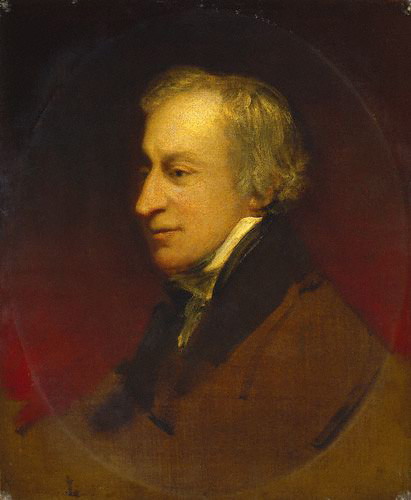
The tune that is most often associated with “God Rest You Merry, Gentlemen” first appeared in print some time around 1815 in a set of variations by the English composer Samuel Wesley (1766–1837), The Christmas Carol, Varied as a Rondo, for the Piano Forte. The title of his piece implies that this was, if not the most famous, then certainly one of the most famous carols sung at Christmas time. So, although Wesley’s version was not the one that was banned, as Christmas had been restored by then, it still is an interesting composition, not least because the third line of the tune is slightly different from what we know today, so it must be closer to the original.
My classical music post for today is Samuel Wesley’s The Christmas Carol, Varied as a Rondo, for the Piano Forte.


Leave a Reply