

Jean Sibelius: Finlandia
In September 2023, North Carolina classical radio station WCPE created an uproar when the music director announced that they would ban broadcasts of several operas being performed by the Metropolitan Opera. It didn’t take many weeks for that decision to be reversed. Sometimes, however, it takes years or even generations for composers and music that has been banned to be heard. This November, the Daily Classical Music Post will look at some music that was banned for a wide variety of reasons.
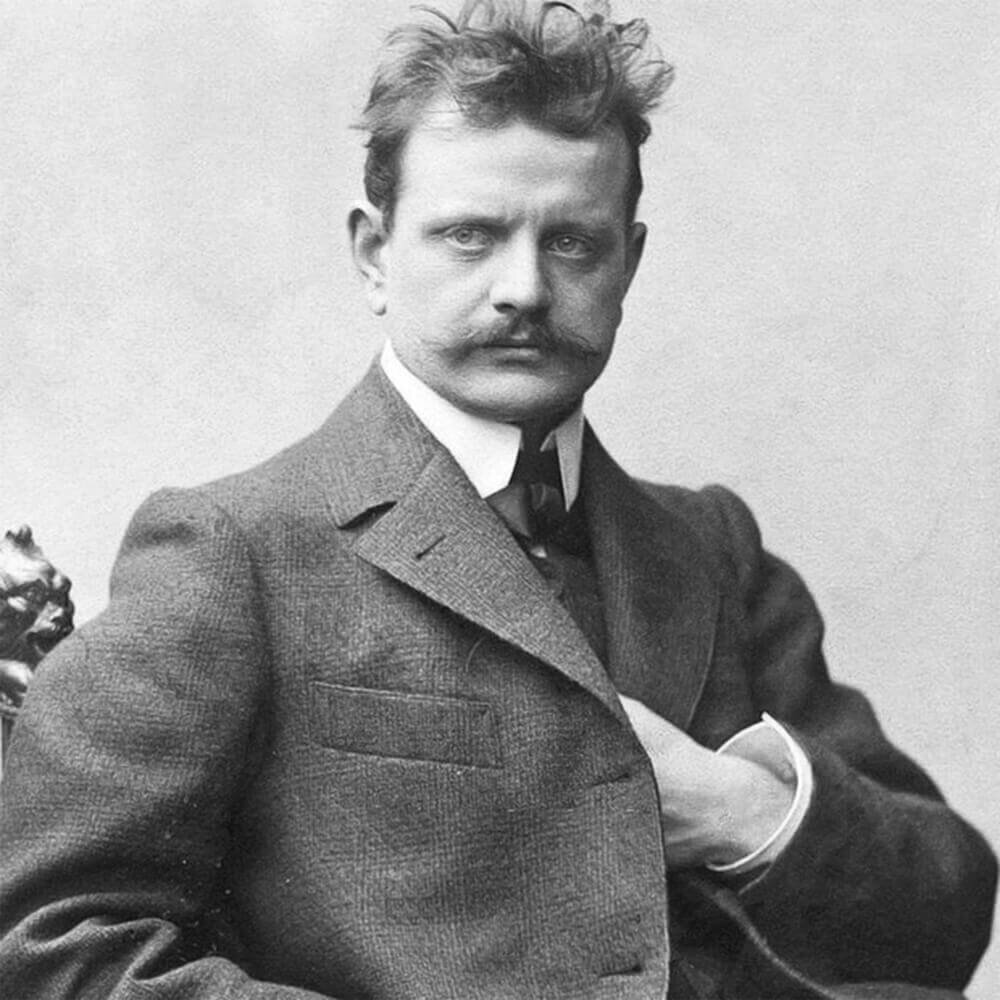
The Finnish composer Jean Sibelius (1865–1957) composed Finlandia in 1899 (revised 1900) as a protest against the censorship by Russia of Finland. He used this piece to express the Finnish desire for independence from the oppressive rule of the tsar. Although the first several performances were given under different names in order to circumvent the Russian censors (including Happy Feelings at the Awakening of Finnish Spring and A Scandinavian Choral March), the Russians figured out what was going on and banned performances of this patriotic work anyway. I don’t know if the censors knew that the working title for the tone poem was Finland Awakes; that definitely would have not gone over well.
Sibelius said, “Why does this tone poem catch on with the public? I suppose because of its plein air style. The themes on which it is built came to me directly. Pure inspiration.” Certainly, the hymn section sounds like a traditional folk melody, although it is a completely newly composed tune by Sibelius. The words to the hymn were added by the Finnish poet Veikko Antero Koskenniemi in 1941; before that, Finlandia was performed by orchestra alone.
According to a letter to the editor of the New York Times by Sidney Saperstein, published on 25 October 1942, a woman named Edith Gold advocated banning the performance of Finlandia in the United States for the duration of World War II, calling it “Axis music.” Saperstein pointed out, “The fact that Finland is de facto if not de jure an ally of America’s enemies is no reason why such a piece of music—and music knows no nationality—should be barred.” He goes on to say that if one starts banning a piece of music for this reason, where would it all end?
My classical music post for today is Jean Sibelius’s Finlandia.


Leave a Reply