

Renzo Massarani: Tre preludi
In September 2023, North Carolina classical radio station WCPE created an uproar when the music director announced that they would ban broadcasts of several operas being performed by the Metropolitan Opera. It didn’t take many weeks for that decision to be reversed. Sometimes, however, it takes years or even generations for composers and music that has been banned to be heard. This November, the Daily Classical Music Post will look at some music that was banned for a wide variety of reasons.
Renzo Massarani – Tre preludi (Luca Buratto, piano)
Sometimes censorship doesn’t happen right away as soon as a dictator takes control; the changes happen more slowly and insidiously, so when the actual ban takes place, people are quite surprised. This is what happened in Italy under the fascist dictator Benito Mussolini. There was a pretense of acceptance of music by Jewish composers, to the extent that works and composers banned in Germany and Third Reich–occupied countries were encouraged in Italy . . . at first.
However, things began to change by the end of 1933, when a ban on radio broadcasts of music by Jewish composers was enacted. Public performances could still take place, and both young and old Jewish composers were encouraged to participate in competitions and were awarded commissions at least until 1937. And then, in 1938, Jewish performers and music by Jewish composers were banned from concert halls throughout Italy. This change happened almost overnight.
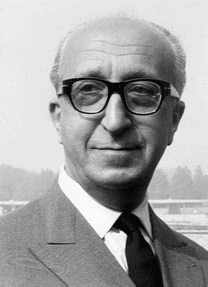
The Italian composer Renzo Massarani (1898–1975) had enjoyed a great deal of success in the 1920s and 1930s. Gregorio Nardi said that Massarani “was considered a representative of fascist officialdom: he had participated in the March on Rome, and his compositions were heard at all major artistic events—to such an extent that despite Nazi policies his Danza Atletica was entered in the international music competition at the 1936 Berlin Olympics.” So it was extremely traumatic for him to find his music banned and his life in Italy untenable. He emigrated to Brazil, and also took steps to make sure that his music would never be played, published, or performed anywhere. His grandson, Luca Buratto, said, “Though he survived the war and the persecution, he decided to stop writing music because he was disgusted with mankind.”
Buratto has rediscovered some of his grandfather’s piano music and has performed it around the world, including at Holocaust remembrance events. A few other works by Massarani have been recorded, but for the most part his compositions are lost and will never be heard.
My classical music post for today is Renzo Massarani’s Tre preludi.


Leave a Reply