

Charles Ives: Variations on “America”
Oscar Wilde famously said, “Imitation is the sincerest form of flattery that mediocrity can pay to greatness.” It isn’t always the case, at least in classical music, that the imitator is mediocre; many compositions that are based on another composer’s work are just as interesting—and sometimes even more interesting—than the original. This October, the Daily Classical Music Post will look at variations, fantasias, and other compositions that are based on another composer’s work.
Ives: Variations on “America” (1891) – E. Power Biggs
No one knows who actually composed the music to “God Save the King,” which first appeared in the mid-1740s in a version very close to the present one. Scholars are divided (aren’t they always?) on the origins of the tune, but some trace it back to early plainsong, some see the beginnings in works by Henry Purcell, and some believe that the carol “Remember O Thou Man” was the basis for it. John Bull (1562–1628) gets the most votes, although he could have just regularized a tune that was already there.
In any event, it became a popular tune, and several countries adopted it for their own national anthems. Samuel Francis Smith chose it when he wrote the words to “My Country, ’Tis of Thee” (more commonly known as “America”), which was one of the unofficial national anthems of the United States before “The Star Spangled Banner” became the official anthem in 1931.
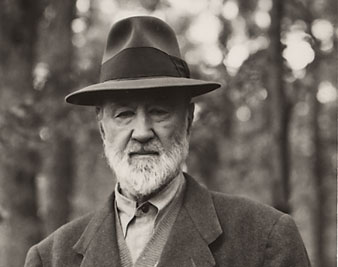
The American modernist composer Charles Ives (1874–1954) composed a set of variations on “America” for organ when he was 17 years old. He played it in the church where he was organist in 1892 and over the years made revisions, but the work was never published or performed by anyone else. In 1949, the organist E. Power Biggs asked Ives for an organ piece that he could play on his radio show, and Ives sent him the work that he described as “but a boy’s work, partly serious and partly in fun.” Biggs encouraged Ives to publish the Variations on “America.” Since then, there have been many arrangements published, including for orchestra (by William Schumann) and wind band (William E. Rhoads) as well as for other ensembles, and Variations on “America” continues to be a staple of the organ repertoire.
Variations on “America” begins with the Introduction and Theme, followed by two variations, an interlude, two more variations, another interlude, one more variation, and a coda. Ives’s signature bitonality can be heard in both interludes. The fifth variation is marked “Allegro—as fast as the pedals can go” and shows what a terrific organist Ives must have been. This is a wonderful early work by Ives, and definitely is not a piece for “sissy ears.”
My classical music post for today is Charles Ives’s Variations on “America.”


Leave a Reply