

Béla Fleck: “The Imposter”: I. Infiltration
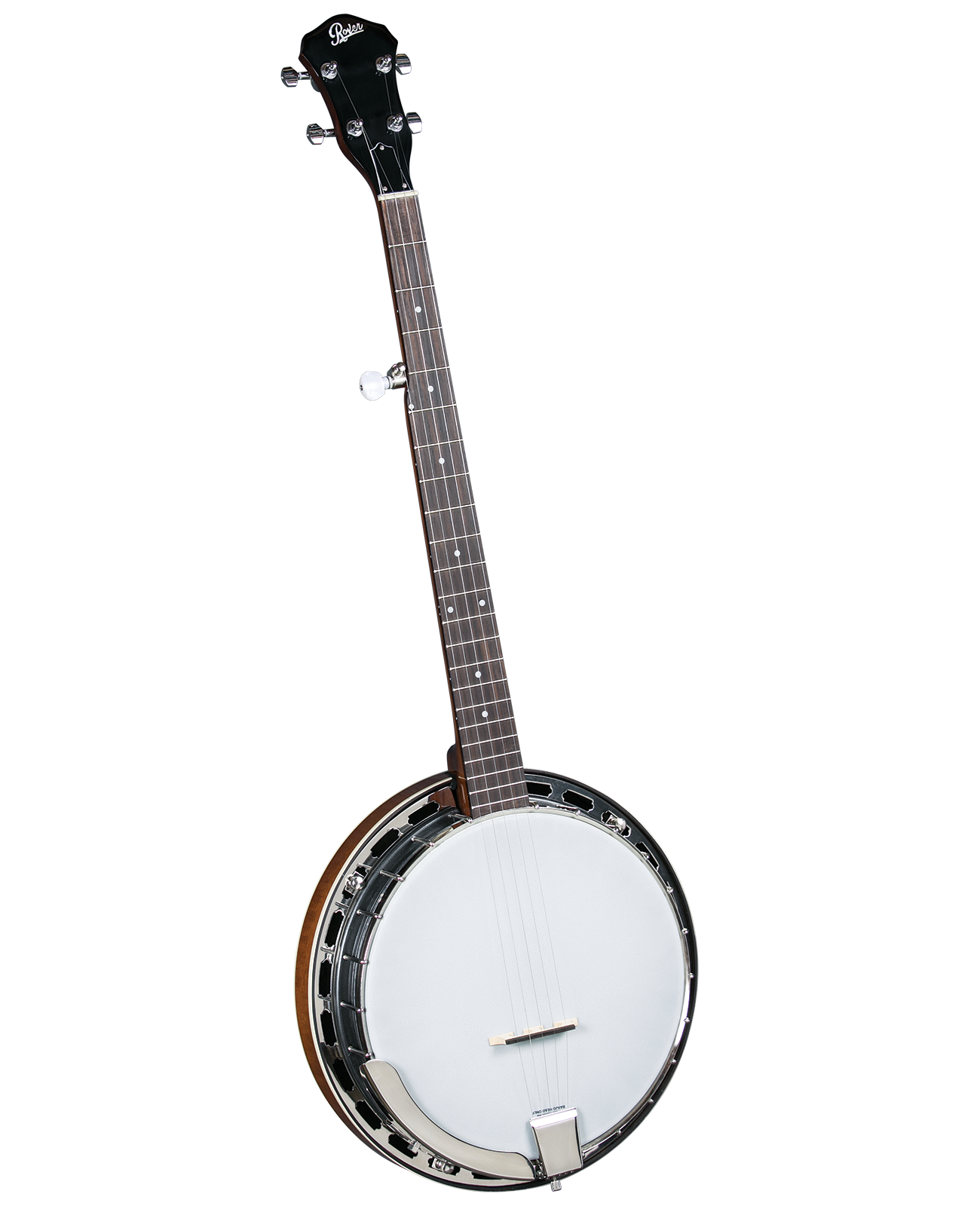
September is a month of unusual holidays, including “No Rhyme, No Reason Day,” “Wonderful Weirdos Day,” “Ceiling Fan Day,” and “Punctuation Day” (a personal favourite). To celebrate unusual holidays, this September the Daily Classical Music Post will explore music composed for unusual instruments either in ensembles or featured in a soloist capacity.
Fleck: “The Impostor” Concerto For Banjo And Symphony Orchestra – Infiltration
There is a famous Far Side cartoon showing Satan with his arm around a person looking into a room filled with banjo players with the caption “Your room is right in here, Maestro.” This pretty much captures the general attitude of the classical music world towards the often-maligned banjo.
The banjo as we know it today dates from some time in the 17th century; it was brought to North America and the Caribbean by enslaved people from Africa. By the 19th century, it had become popular in folk music as well as home parlour music, and today banjos can be heard in almost every genre of music. You will not be surprised to learn, however, that although there are a few classical musicians who compose specifically for banjo, or who play transcribed classical music on the banjo, it still is not accepted as a classical instrument.
The American banjo player Béla Fleck (born 1958) is both a composer and a virtuoso performer. Fleck was commissioned by the Nashville Symphony to write a concerto for banjo and orchestra. The result, “The Imposter,” was premiered by Fleck and the Nashville Symphony in 2011. Fleck had never written orchestral music before, and he also was unable to read or write standard musical notation. He wrote all of the orchestral parts in banjo tab and then had them translated by computer into scores that the musicians could read.
The three movements of “The Imposter” are named Infiltration, Integration, and Truth Revealed. Fleck said that the names indicate his feelings of being an outsider: “A musician like myself can feel that way pretty regularly, even though the point of much of what I do is to attempt to find ways to fit naturally into many diverse environments. I often do feel like an impostor, and if anyone ever figured out the truth, I’m certain that I’d be ejected, immediately. So maybe the banjo player snuck into the orchestra with a disguise on (Infiltration), was pretty convincing that he belonged there (Integration), but at some point he let the cat out of the bag (Truth Revealed): He/I am a low-class banjo playing scuffler and should be tossed out forthwith!”
My classical music post for today is Béla Fleck’s “The Imposter”: I. Infiltration.


Leave a Reply