

Giles Swayne: Cry: VI. Creatures of the dry land
First posted 20 January 2018
During January 2018, I will share stories of some of the composers I knew when I worked at Novello & Co. in London.
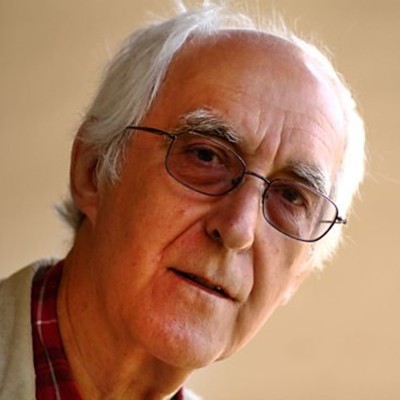
One of the most exciting projects that I worked on at Novello & Co was the score to the monumental choral work Cry by the British composer Giles Swayne (born 1946).
Cry, for 28 solo voices and electronics, was commissioned by the BBC and premiered by the BBC Singers in October 1980. It is an incredible work; I remember getting chills at the premiere and just getting totally lost in this extraordinary vocal depiction of the creation.
The score is monumental as well (about 20 inches tall, to accommodate all of the voices and the electronic staves as well). And when Giles was asked to prepare the score for publication, he asked for some assistance, and Novello sent me, music copyist to the stars! (Well, to the Novello star composers, anyway!)
Every Saturday, for several weeks, I would take the Tube to Fulham to Giles’s house, and we would then work on the manuscript. It was painstaking work, but it also was enormous fun. His family usually was there, and we’d have a few minutes with them before getting down to the hard work of scraping ink off the manuscript pages and then writing in the corrections or clarifications.
Giles was incredibly fascinating, and it was a real pleasure to listen to his stories of his travels and his thoughts. I was very sorry when the project was done. I won’t say that I enjoyed travelling to and fro with all the Fulham supporters on those Saturdays, but it was worth it just to spend time with one of the most interesting composers of the time.
Cry is, as you could imagine, in seven movements: Void – Light – Darkness; Sky; Sea – Dry Land – Vegetation; Sun – Moon – Stars; Creatures of the air and water; Creatures of the dry land; and Rest. If I had to choose a favourite movement, I would probably say “Creatures of the dry land,” but it’s a pretty close thing.
Giles has said about Cry: “The work is scored for 28 amplified solo voices with electronic treatment. It uses an almost wordless text of my own devising, and falls into seven movements which correspond to the seven days of the Biblical creation-myth. It lasts about eighty minutes, and is the first of a symmetrical pair of works tracing the birth, life, and eventual extinction of our planet. . . . I have described CRY as ‘a song of gratitude, praise, hope and love for the worlds which formed us, and of which we are the temporary and doubtful guardians’. ‘Doubtful’ has two meanings in English; both are intended here. On the one hand we have – understandably – lost our traditional certainties; on the other, our competence as guardians of this planet must be seriously doubted: every year it becomes more obvious that the responsibility is too much for us. . . . CRY is a hymn of praise: not to any God or gods, but to Earth itself. At the same time, I wanted (like many before me) to play at being God myself – to recreate our planet as it was given us in the beginning, fresh, unpolluted, and still in balance with itself. In other words, before we humans took control.”
My classical music post for today is Giles Swayne’s Cry: VI. Creatures of the dry land.


Leave a Reply