

John Sheppard: Verbum caro
First posted 27 October 2016
Throughout October, the Daily Classical Music Post is going to explore and celebrate the music of England from just before the time of Mary I to the death of Purcell.
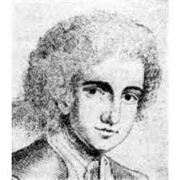
I have to share another work by the wonderful English composer John Sheppard (c. 1515–1558).
Most of Sheppard’s music was composed for use in the Sarum (Salisbury) rite of the Catholic Church. Much of his music is lost, but what we do have is glorious, beautiful, and awe-inspiring. I remember the first time that I sang Verbum caro. The trebles (including me) enter on a high B after all of the other parts build the tension following the introductory line of plainsong. I was transfixed throughout, and wanted to sing it again and again. I’ll probably spend all day today singing it!
As Peter Phillips said, “[Sheppard’s] style is immediately recognisable, since much of his writing was for the same six-part choir of treble, mean, two countertenors, tenor and bass, which he deployed to achieve the maximum sonority. He used the treble voice with unusual flair (in, for instance, the gimell at the words ‘qui cognoscis’ in Media vita or the last chord of Verbum caro).”
Verbum caro factum est et habitavit in nobis;
cuius gloriam vidimus quasi unigeniti a Patre,
plenum gratiae et veritatis.
In principio erat verbum et verbum erat
apud Deum, et Deus erat verbum.
Gloria Patri et Filio et Spiritui Sancto.

The word was made flesh and dwelt among us:
and we beheld his glory as of the only Son of the Father,
full of grace and truth.
In the beginning was the word, and the word was
with God, and the word was God.
Glory be to the Father and to the Son and to the Holy Spirit.
My classical music post for today is John Sheppard’s Verbum caro.


Leave a Reply