

John Corigliano: Symphony No. 1
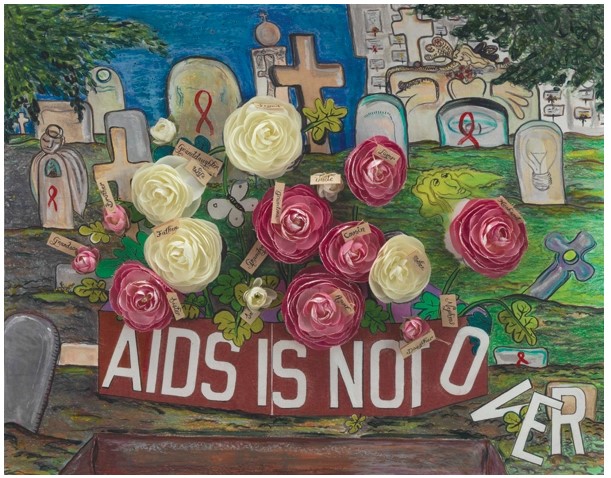
This April, the Daily Classical Music Post will look at composers who died during pandemics, as well as some who survived and a few who composed works to commemorate those who lost their lives.
“Today negative has become the new positive.”―Amit Abraham
The American composer John Corigliano (b. 1938) was deeply affected by the AIDS epidemic; many of his friends and colleagues died in the first few years. He composed his Symphony No. 1 as a tribute to the victims.
John Corigliano (b.1938): Symphony No 1 (Full)
A review in The New York Times says this about this work: “The 40-minute work was generated, the composer writes in the notes, by ‘feelings of loss, anger and frustration’ as friends and colleagues have been felled by AIDS. In the score, inscribed next to melodic themes, are names of the deceased; one phrase recalls Paul Jacobs, the distinguished pianist for the New York Philharmonic. The first movement includes quotations from Albeniz’s Tango as transcribed for piano by Leopold Godowsky, a favorite of another friend who died; the second recalls a music executive who descended into insanity as the disease progressed; the third movement’s cello solos are derived from the instrumental improvisations of yet another victim of AIDS. The themes associated with these figures reappear in a mournful epilogue. The symphony is a gallery of the dead.”
The symphony is in four movements: “Apologue: Of Rage and Remembrance”; “Tarantella”; “Chaconne: Giulio’s Song”; and “Epilogue.” Corigliano has said that he was inspired to compose this work by the AIDS Quilt, with its “ambitious interweaving of several thousand fabric panels, each memorializing a person who had died of AIDS, and, most importantly, each designed and constructed by his or her loved ones. This made me want to memorialize in music those I have lost, and reflect on those I am losing.”
My classical music post for today is John Corigliano’s Symphony No. 1.


Leave a Reply