

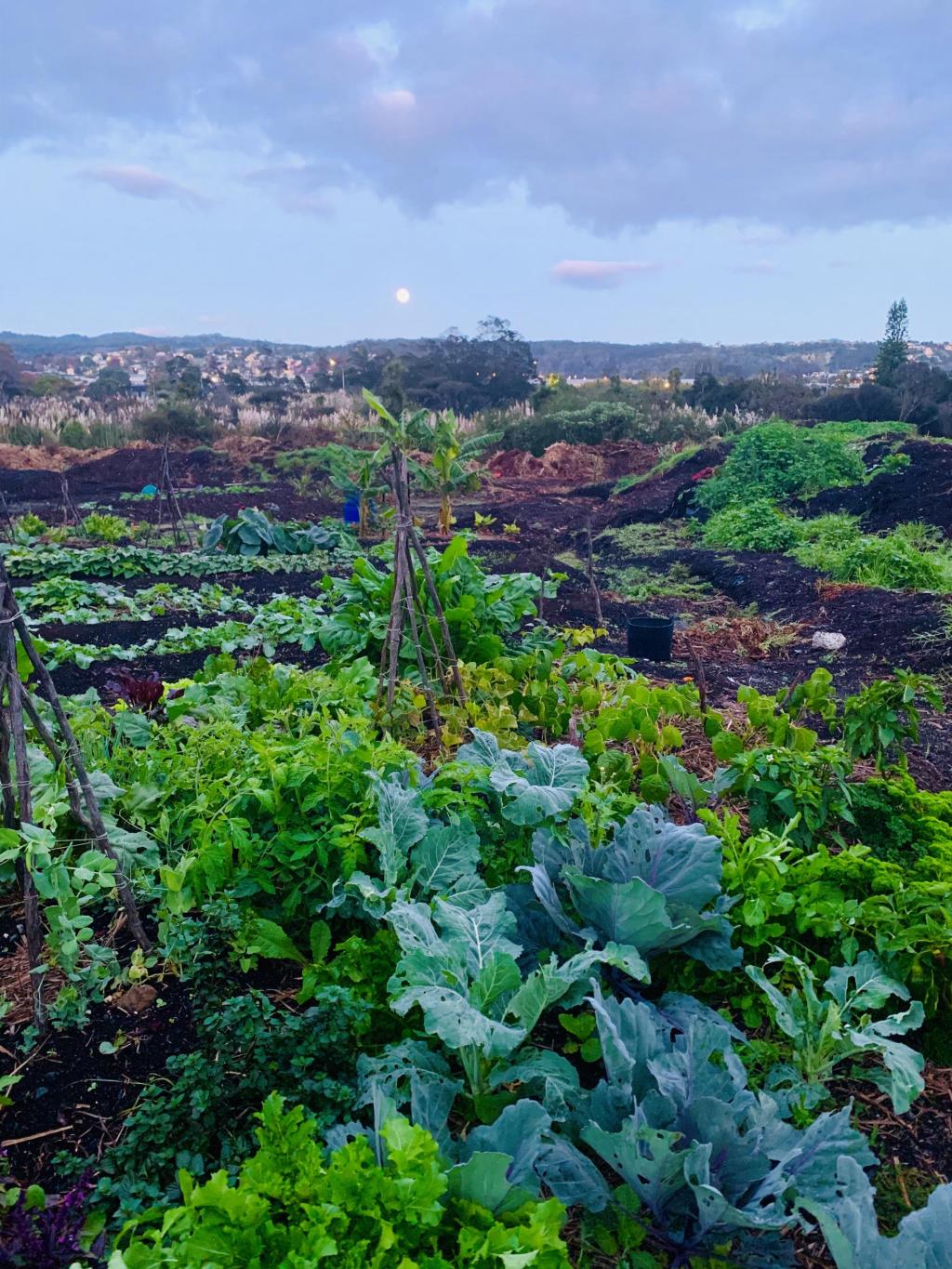
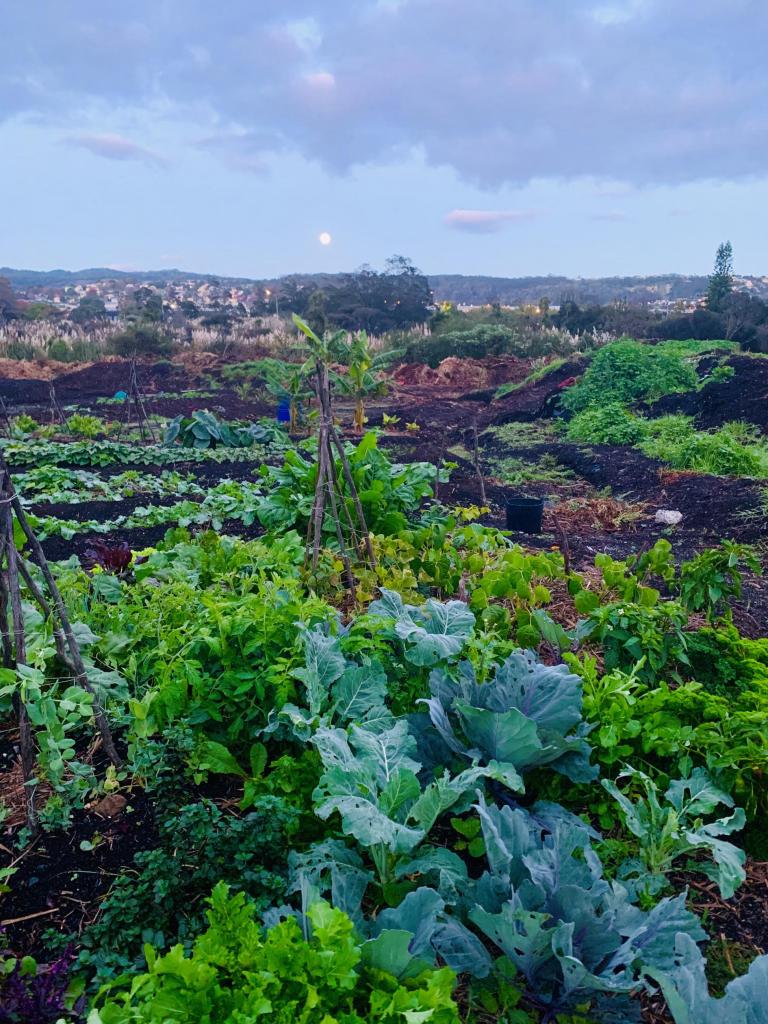
For millennia, the rhythms of planting and harvest have shaped human life, marking seasons of labour, renewal, abundance, and gratitude. This October, the Daily Classical Music Post will journey across eras and continents, celebrating harvest in the Northern Hemisphere and planting in the Southern through music inspired by the Earth and its changing seasons.
Gareth Farr (born 1968) is a New Zealand composer and percussionist whose music is particularly noted for its rhythmic energy. Born in Wellington, he studied composition and percussion in Auckland and Wellington and later at the Eastman School of Music in New York. His musical language has been strongly influenced by percussion traditions from around the Pacific Rim, particularly Indonesian gamelan, and rhythm and unusual instrumental colours feature prominently in his work.
Te Kōanga takes its title from the Māori word for spring or planting season—the season of regeneration, new growth, and the return of the sun. This short work for string quartet was written in 2017 and was premiered in 2018 by the Heath Quartet. It was commissioned by the family of Ian Lyons, a Wellington cellist and highly respected maker and repairer of stringed instruments who died unexpectedly in 2015. Lyons loved nature and the outdoors, and Farr stressed that the piece was not intended as a lament but as a joyous celebration of life, regeneration, and all of the things that Lyons loved.
One of the most distinctive elements of the piece is birdsong. Farr remembered listening to tūī calling to one another across the Marlborough Sounds and incorporated their extraordinarily elaborate calls into the piece. The first violin begins with a tūī call above a shimmering background from the other strings; another native bird, the weka, answers, and eventually a second tūī call appears. Farr then transforms the quartet into something resembling a percussion ensemble, with driving rhythms and players plucking and snapping their strings. A calmer central passage introduces a broad, emotional melody before the rhythmic energy returns, and the tūī is heard again near the end of the work.
Te Kōanga reminds us that the planting–harvesting cycle never really ends. The returning sun, new growth, and birds calling across the landscape all signal that it is time to begin again. Before there can be another field of grain, another rice harvest, or another celebration, someone first has to plant the seeds.
My classical music post for today is Gareth Farr: Te Kōanga.


Leave a Reply