

“If you were a country, what would your national anthem be?”—David Levithan
One of my favourite things about the 2026 FIFA Men’s World Cup was hearing some national anthems that I had never heard before as well as some that I rarely hear. And I wondered: How did each country choose its national anthem? Was it newly composed or taken from something already in existence? This August, the Daily Classical Music Post will explore the anthems of 31 of the 32 teams that made it to the knockout stage.
Argentine National Anthem – “Himno Nacional Argentino” (ES/EN)
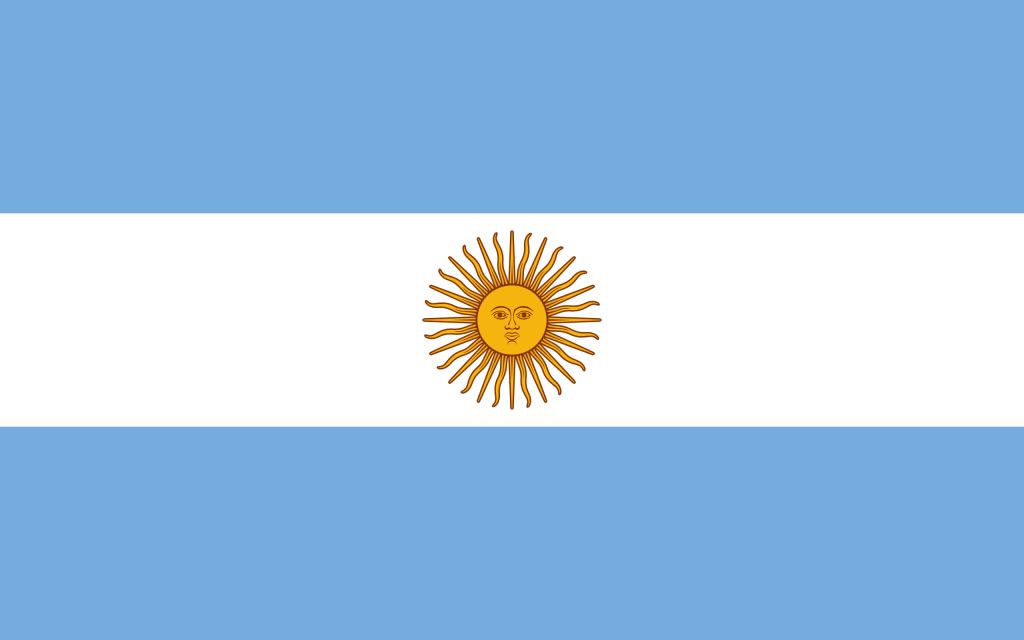
We continue our exploration of the anthems of the countries represented in the 2026 FIFA Men’s World Cup knockout stage (minus the United States of America), in alphabetical order, with Argentina.
Is there any more operatic or overture-like opening of a national anthem than that of “Himno Nacional Argentino,” Argentina’s patriotic one? It’s the most wonderful mix of Italian and Spanish classical music. I have to admit: the first time that I heard this anthem, I wondered if there were any words, as everyone stood around for what seemed like ages doing nothing.
Those key changes! Those tempo changes! The different moods! Blas Parera (1776–1840), a Spanish composer who moved to Buenos Aires in 1797, really had it all going on. The music for the national anthem began life in 1810 as Parera’s Marcha Patriotica. There were words by Esteban de Luca, none of which mentioned Argentina at all. Then in 1812, a new anthem was commissioned; Parera used the same music and the words were supplied by Cayetano Rodriguex. For some unknown reason, neither of them wanted this to become an anthem. So, the next year, an Argentinian politician, Vicente López y Planes, won a competition to write new words, Parera reworked Marcha Patriotica, and Argentina finally had a national anthem. The anthem was officially adopted on 11 May 1813, and that date is now celebrated as Anthem Day in Argentina.
Apparently, this anthem was substantially longer when it was first composed, but verses about Argentina’s fight for independence from Spain were removed in 1900. It’s certainly long enough now (maybe even a bit too long). I wonder if the Argentinian players were thinking of those verses as they sang their anthem before the 2026 final against Spain. Hmm.
My (somewhat) classical music post for today is Blas Parera: “Himno Nacional Argentino.”“If you were a country, what would your national anthem be?”—David Levithan
One of my favourite things about the 2026 FIFA Men’s World Cup was hearing some national anthems that I had never heard before as well as some that I rarely hear. And I wondered: How did each country choose its national anthem? Was it newly composed or taken from something already in existence? This August, the Daily Classical Music Post will explore the anthems of 31 of the 32 teams that made it to the knockout stage.
Argentine National Anthem – “Himno Nacional Argentino” (ES/EN)
We continue our exploration of the anthems of the countries represented in the 2026 FIFA Men’s World Cup knockout stage (minus the United States of America), in alphabetical order, with Argentina.
Is there any more operatic or overture-like opening of a national anthem than that of “Himno Nacional Argentino,” Argentina’s patriotic one? It’s the most wonderful mix of Italian and Spanish classical music. I have to admit: the first time that I heard this anthem, I wondered if there were any words, as everyone stood around for what seemed like ages doing nothing.
Those key changes! Those tempo changes! The different moods! Blas Parera (1776–1840), a Spanish composer who moved to Buenos Aires in 1797, really had it all going on. The music for the national anthem began life in 1810 as Parera’s Marcha Patriotica. There were words by Esteban de Luca, none of which mentioned Argentina at all. Then in 1812, a new anthem was commissioned; Parera used the same music and the words were supplied by Cayetano Rodriguex. For some unknown reason, neither of them wanted this to become an anthem. So, the next year, an Argentinian politician, Vicente López y Planes, won a competition to write new words, Parera reworked Marcha Patriotica, and Argentina finally had a national anthem. The anthem was officially adopted on 11 May 1813, and that date is now celebrated as Anthem Day in Argentina.
Apparently, this anthem was substantially longer when it was first composed, but verses about Argentina’s fight for independence from Spain were removed in 1900. It’s certainly long enough now (maybe even a bit too long). I wonder if the Argentinian players were thinking of those verses as they sang their anthem before the 2026 final against Spain. Hmm.
My (somewhat) classical music post for today is Blas Parera: “Himno Nacional Argentino.”


Leave a Reply